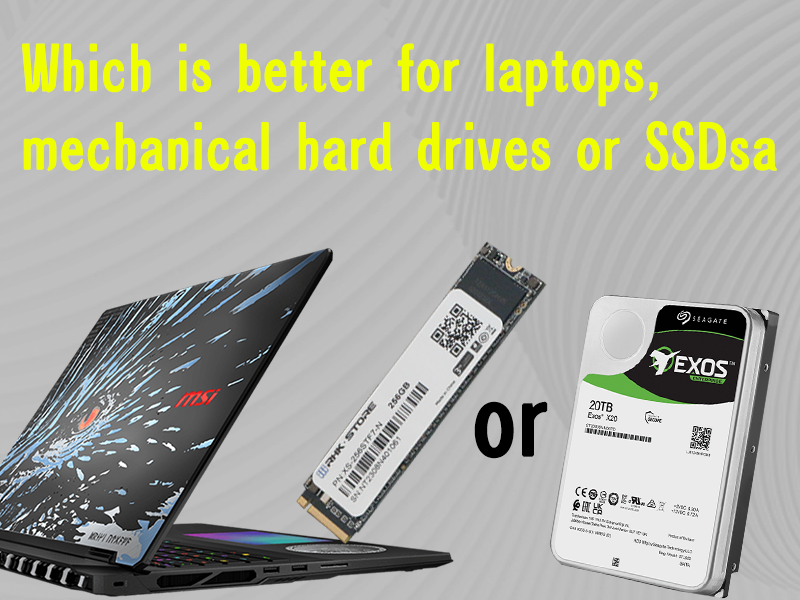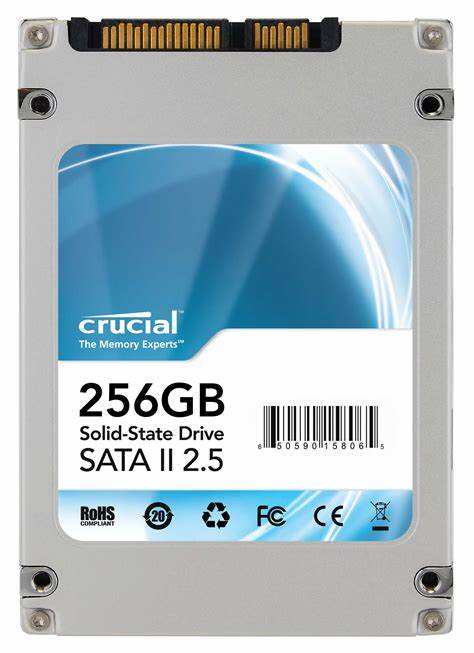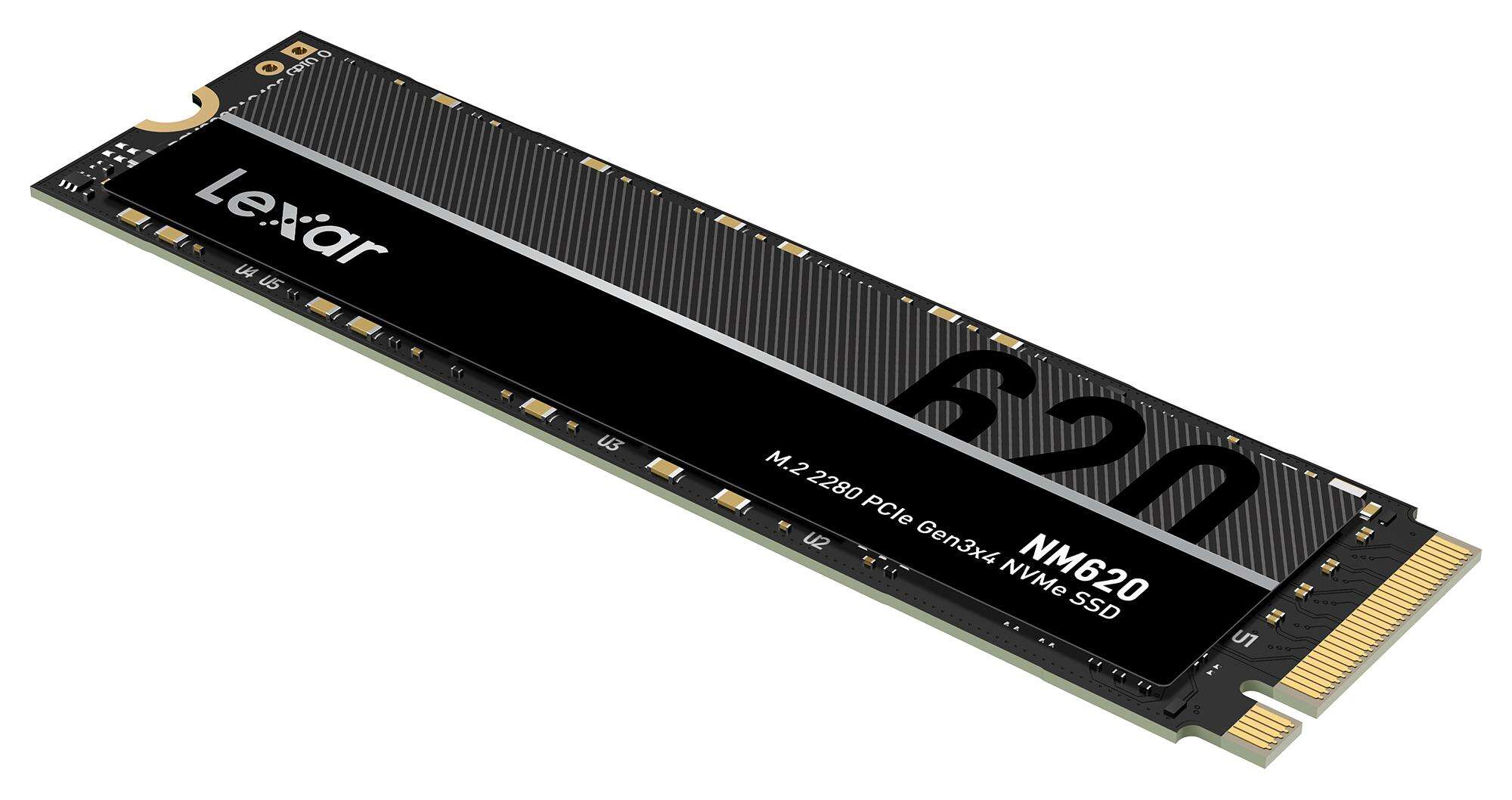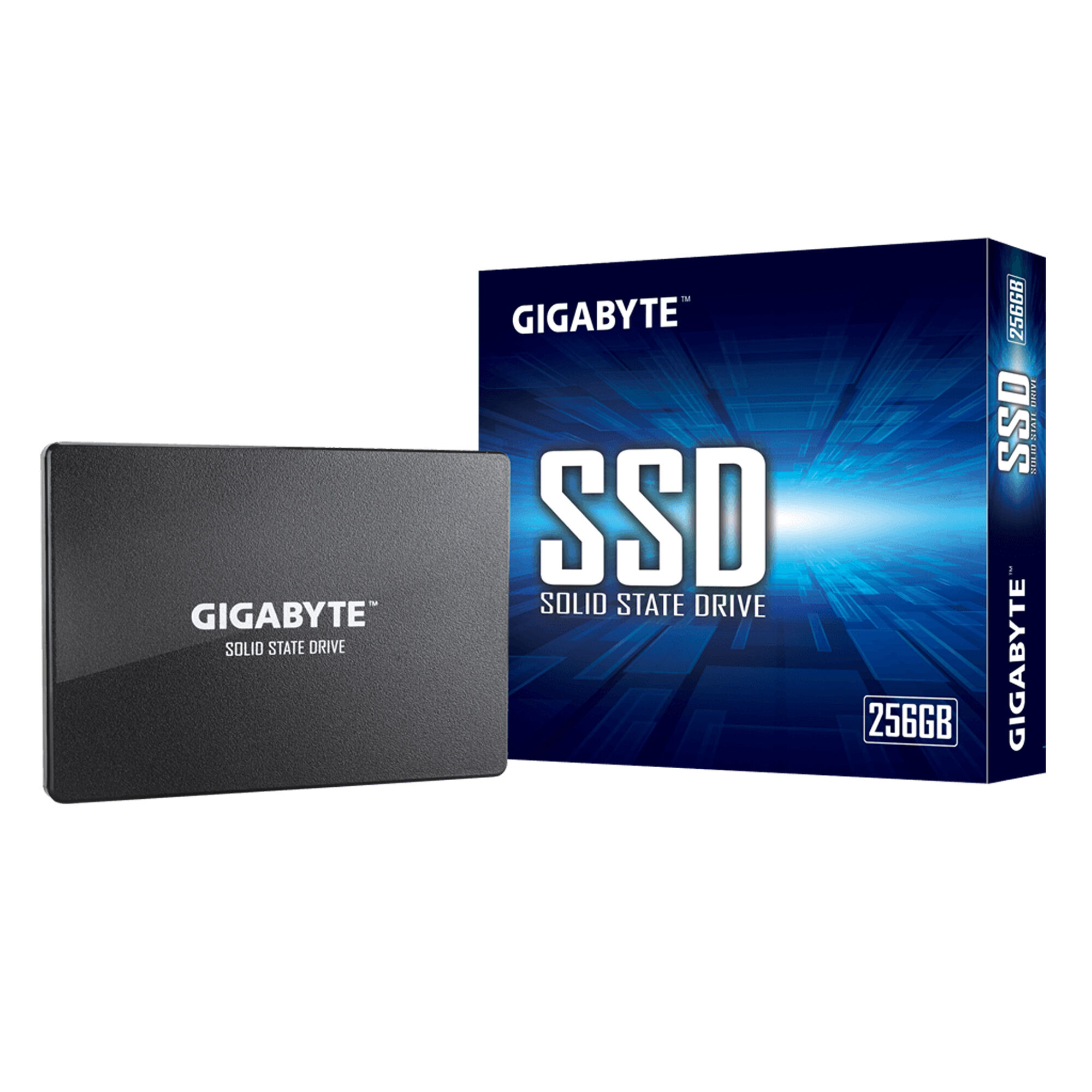




The 256GB SSD serves as an entry point to solid state storage benefits, providing a cost effective solution for system responsiveness improvement in budget oriented builds, secondary storage applications, or specialized computing environments where storage capacity is secondary to performance. This capacity adequately accommodates modern operating systems (typically requiring 20 40GB) along with essential applications and still provides approximately 180 200GB of usable space for user data, making it suitable for office productivity systems, educational devices, or as a boot drive in systems supplemented with additional storage for larger files. From a technical standpoint, 256GB SSDs often utilize TLC NAND flash architecture, though some budget models may employ QLC technology to achieve competitive pricing, with endurance ratings typically ranging from 100 200 TBW, which remains sufficient for typical consumer usage patterns when properly managed. The performance characteristics, particularly for NVMe models, still deliver substantial improvements over traditional hard drives, with sequential read speeds often exceeding 2,000 MB/s even for entry level PCIe 3.0 implementations, dramatically reducing boot times and application loading delays. The compact M.2 form factor makes these drives ideal for space constrained environments including ultra thin laptops and compact desktop systems, while their minimal power consumption (typically 3 4W during active operation) contributes to improved energy efficiency and battery life in mobile devices. Our company offers carefully selected 256GB SSD models that maintain essential quality standards while achieving competitive price points, making the transition to solid state storage accessible to a broader range of customers. Through our efficient supply chain management and global distribution network, we provide these value oriented storage solutions worldwide, with technical support available for installation guidance and optimization advice to ensure customers maximize the performance benefits within the capacity constraints.