
 EN
EN



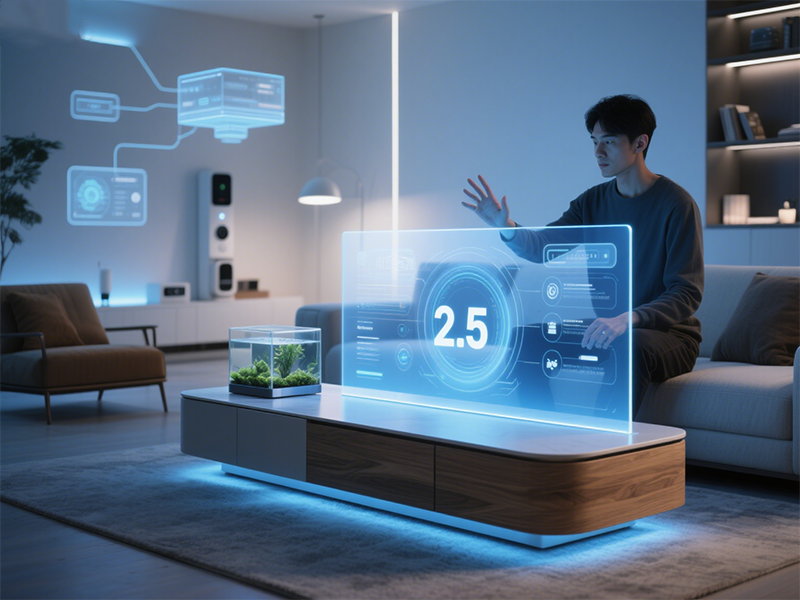
Desktop computers are at a fascinating crossroads these days, blending cutting edge tech with some pretty nostalgic features as mobile devices dominate our daily lives. Smartphones and tablets have become practically inseparable from most people's routines, so desktops need to reinvent themselves if they want to stay relevant instead of getting left behind. This piece will explore ways to strike a balance between conventional desktop computing and the convenience offered by mobile tech, all while making sure user requirements are still met properly across different platforms and situations.
Desktops Over The Decades
Desktop computers sure have come a long way since those early days when they took up whole rooms and barely worked half the time. Now we've got these super powerful machines sitting on our desks that can crunch numbers, edit videos, and run all sorts of complicated programs. But then along came mobile technology, changing everything again. People just want to work anywhere these days, right? That's why laptops and tablets are so popular. Regular desktop setups just can't match that kind of freedom and mobility that modern workers need in their daily routines.
Alongside Meeting Consumer Expectations
For most tech-savvy folks nowadays, cloud computing, remote access and better connectivity aren't just nice to have they're practically essential. When manufacturers pack all these features together with top notch performance into a compact device, it creates real convenience factors that make their products shine above competitors. Knowing what customers actually want goes a long way in product development too. After all, nobody wants something that doesn't fit their lifestyle needs or fall behind in specs compared to smartphones, tablets and other portable gadgets dominating the market right now.
How Gaming Helps Desktops Stay Alive Longer
Desktop computers still hold a major position in the world of gaming despite all the advances in mobile tech. Let's face it, smartphones and tablets just can't compete with what high end gaming PCs bring to the table. When it comes down to raw processing power, graphics rendering, and overall system stability, desktop setups remain king. Gamers who stick with mobile options often find themselves struggling with lag issues, lower frame rates, and limited mod support. While manufacturers keep pushing forward with better battery life and lighter components for portable gaming solutions, there's something about sitting at a proper desk setup that simply can't be replicated on the go. The PC gaming community shows no signs of fading away anytime soon either, even as new handheld consoles enter the market space.
Ergonomics And Advances In Desktops Form Factors
People are making things look simpler these days for good reason. Sure, folks love clean designs, but there's something deeper going on too. Modern product design actually starts by thinking about what people need when they use stuff, rather than just how it looks. That explains why we're seeing so many compact computers around now. Take mini PCs for instance, or those all-in-one desktops where the computer basically lives inside the monitor itself. These setups eliminate those big old tower boxes that used to clutter up desks everywhere. Some companies even make monitors that double as computers, which makes sense if space is at a premium in an office setting. The trend isn't just about aesthetics though, it really does make working with technology easier day to day.
Institutional Changes And Forecasting From The Available Data
Looking at what's happening now with machine learning and artificial intelligence, some pretty clear trends are emerging. As remote work continues to grow, people are spending more time at their desktop computers connected through sophisticated virtual collaboration platforms. These setups are becoming increasingly powerful as technology advances. However, there are still real constraints when it comes to buying equipment and dealing with mobility issues. The challenge remains how to integrate portable solutions into AI systems while overcoming these practical barriers. Manufacturers need to find ways to balance performance capabilities with cost effectiveness and user accessibility across different environments.
Mobile devices dominate the market these days but desktop computers haven't disappeared yet. They just need to find their niche properly. Gamers still prefer powerful desktop rigs for high end graphics cards, while designers working on complex projects appreciate having multiple monitors and faster processors at their disposal. Desktop machines have lasted this long not by accident either. Their hardware components get upgraded regularly as technology advances, making them adaptable over time instead of becoming obsolete overnight like many smartphones do after two years. That flexibility keeps them relevant despite all the changes happening around us.