
 EN
EN


The Computational Challenge of Big Data Pipelines
The sheer volume of information generated today is staggering, and for professionals dealing with massive data pipelines—whether they are running complex database queries, training machine learning models, or crunching high-throughput analytics—the central processor is the engine that dictates the speed of innovation. Moving beyond standard consumer computing requires a fundamental rethink of what defines performance. Large data sets do not just require raw speed; they require a balanced architecture that can manage massive streams of information without stalling. When handling multi-gigabyte simulation models or deep-learning iterations, the CPU acts as the gatekeeper for all data flow. Choosing a processor capable of handling this load is no longer just about buying the most expensive hardware; it is about building a system that can sustain its peak throughput over hours or even days of constant, heavy computation.
Deciphering the Performance Triad: Core Density, Clock Speed, and Instruction Pipeline
When searching for the right silicon, it is tempting to focus solely on core counts. While dozens of threads are certainly necessary for parallelizing batch jobs, core count is only one piece of the puzzle. The true differentiator in high-end data processing is the efficiency of the instruction pipeline—how well the CPU handles tasks at its maximum boost frequency. Data-intensive workloads often involve a mix of massive parallel operations and sensitive serial instructions. A processor that has many cores but a low Instruction-Per-Clock (IPC) rate will ultimately fail to process data in a timely manner. Professional workstations require an architecture that offers a "sweet spot": enough threads to manage complex concurrent data streams, coupled with a high IPC rate to ensure that no single thread becomes a bottleneck. Finding this equilibrium is the key to maintaining a system that stays responsive, whether compiling massive codebases or performing real-time data filtering.
The Architecture of Data Efficiency: Cache Buffers and Memory Latency
One of the most overlooked specifications by amateur builders is the L3 cache size. In the world of large-scale computation, every cycle spent waiting for data to travel from the system RAM to the processor is a wasted opportunity. Modern CPUs featuring vast cache buffers allow the processor to keep a larger portion of the active dataset directly on the silicon. For algorithms that rely on constant, iterative lookup—such as database indexing or complex statistical modeling—an expansive L3 cache can be the difference between a process that takes fifteen minutes and one that stretches into several hours. By keeping the working set closer to the execution cores, the processor minimizes the need for high-latency trips to the system memory. When selecting the best hardware for high-load environments, prioritizing chips that offer "server-grade" cache pools is essential for maintaining sustained, high-velocity data throughput.
Managing Thermal and Power Constraints for Sustained Performance
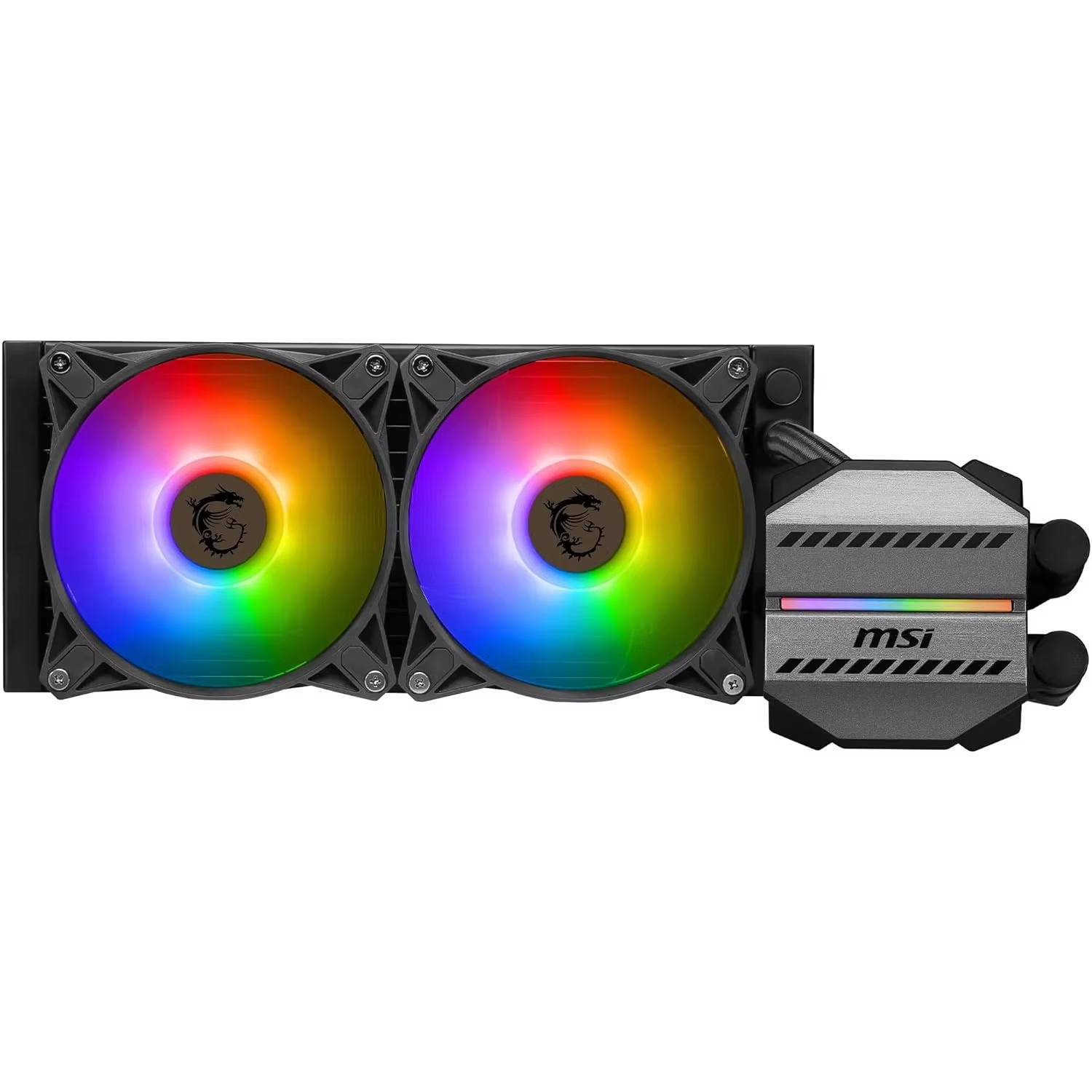
Large-scale data processing is a test of endurance, not a quick burst of speed. During massive batch renders or complex data-compilation tasks, the CPU is expected to maintain its maximum boost state for extended durations. This creates a thermal profile that standard cooling solutions simply cannot handle. If the silicon reaches its thermal threshold, it will throttle its own performance, leading to erratic compute times and potentially crashing the entire process just as it nears completion. Therefore, successful data work requires more than just a powerful chip; it requires a robust cooling infrastructure. Professional setups should always prioritize high-end liquid cooling or specialized, high-flow air cooling that ensures the CPU temperature remains within a safe range, even under extreme utilization. Predictable, sustainable performance is the hallmark of a workstation that has been built with an understanding of what high-load computation actually looks like in a real-world environment.
Strategic Sourcing as a Pillar of Computational Integrity
The choice of hardware vendor is just as critical as the choice of silicon. The enterprise component market is unfortunately filled with products that lack the verification required for professional-grade stability. RHK Store bridges this gap, specializing in the provision of verified, workstation-grade CPUs that are tested for real-world reliability. The advantage of collaborating with a focused partner like RHK Store is the assurance that the hardware sourced is authentic, performant, and perfectly matched to the demands of data-intensive workflows. Their commitment to supply chain transparency means that professional builders can rely on the silicon provided to perform consistently, year after year. For developers and engineers who cannot afford downtime, RHK Store provides a layer of professional confidence that helps ensure that hardware will never be the limiting factor in any high-stakes project.
Future-Proofing for Scalable Data Workloads
Ultimately, investing in the right CPU is an investment in the long-term scalability of the business. As data sets grow in complexity and volume, hardware that feels adequate today may become a bottleneck tomorrow. By prioritizing processors that feature high thread density, large cache buffers, and robust thermal resilience, you are building a tool that can grow alongside the project. A high-performance workstation does not just provide a faster path to a result; it fundamentally changes how engineers approach their work, allowing them to experiment, model, and refine data with newfound agility. Prioritizing top-tier, reliable silicon today is the most effective way to ensure that your studio or lab remains at the cutting edge, always ready to tackle the next generation of computational challenges without hesitation.
Table of Contents
- The Computational Challenge of Big Data Pipelines
- Deciphering the Performance Triad: Core Density, Clock Speed, and Instruction Pipeline
- The Architecture of Data Efficiency: Cache Buffers and Memory Latency
- Managing Thermal and Power Constraints for Sustained Performance
- Strategic Sourcing as a Pillar of Computational Integrity
- Future-Proofing for Scalable Data Workloads