
 EN
EN


The Evolving Demands of High-Resolution Video Workflows
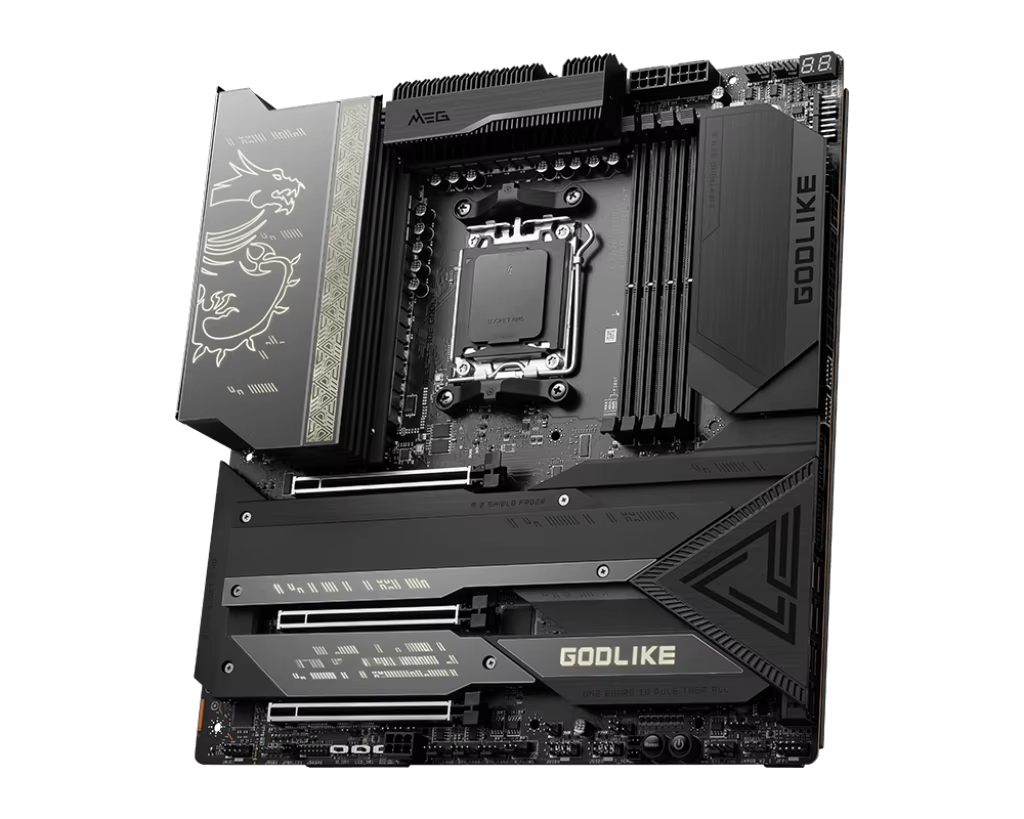
In the professional video production landscape, the technical requirements for an editing workstation are constantly shifting. As studios transition from standard 4K workflows to complex 8K timelines, the strain on hardware—particularly system memory—has reached an all-time high. Modern Non-Linear Editing (NLE) software such as Premiere Pro, DaVinci Resolve, and Final Cut Pro no longer just process frames; they manage massive caches, simultaneous background renders, and high-bitrate color grading metadata. Transitioning to DDR5 RAM is now a professional imperative rather than a luxury. This generation of memory offers a fundamental leap in bandwidth, creating a wider thoroughfare for the heavy assets that define modern cinematic workflows. Building a system that remains fluid during intense editing sessions requires a deep understanding of how this memory architecture handles the chaotic, data-heavy demands of professional media creation.
Deciphering the Memory Footprint: Capacity vs. Throughput
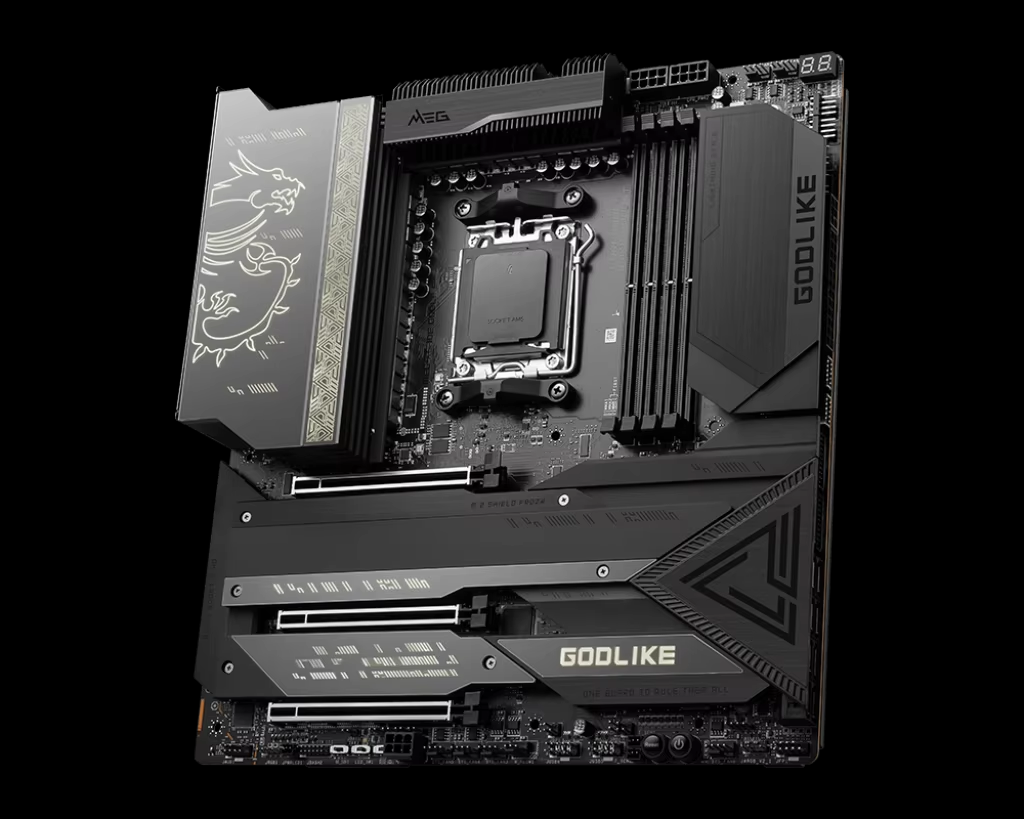
For video editors, memory capacity is the primary safeguard against the "page file" phenomenon—where the system is forced to move data to a slower storage drive, resulting in sluggish playback and dropped frames. In high-end production, 64GB is widely considered the entry-level baseline, with 128GB serving as the gold standard for projects involving multi-camera synchronization and heavy visual effects. However, capacity is only one half of the equation. Throughput, or the speed at which that data can be delivered to the CPU, is what makes a timeline feel "snappy." When scrubbing through high-resolution footage, the system must ingest thousands of frames per second into its cache. DDR5’s improved frequency profiles allow this ingestion to happen at speeds that previously were not possible on standard desktop platforms, significantly reducing the lag that often occurs when switching between different clips in a dense project file.
The Architecture of Efficiency: DDR5 Bandwidth Advantages
What makes DDR5 particularly suited for video work is its dual-channel-per-DIMM architecture. Previous generations of RAM relied on a single 64-bit channel per module, which could become saturated under the load of modern 8K video processing. DDR5 splits this into two independent 32-bit channels, which vastly improves the memory controller’s ability to handle simultaneous read-write requests. In a practical editing environment, this means that while one part of the system is rendering a high-quality preview, another part can be fetching raw assets from the cache without causing a system bottleneck. This granular level of data management is what separates an average editing experience from a pro-grade workflow. The ability to maintain steady throughput, even while multiple applications are running in the background, is the hallmark of a workstation that has been tuned for creative agility.
Thermal Resilience and Long-Term System Integrity
Video editing is an endurance sport. Exporting a complex, two-hour feature film or rendering a series of 4K master files can keep a workstation at peak utilization for long durations. This sustained stress generates substantial heat, not only within the CPU and GPU but within the memory modules themselves. Because DDR5 incorporates integrated power management, the chips are more sensitive to thermal fluctuations than those of previous generations. To ensure system longevity, workstation builds must prioritize kits that feature robust, high-quality aluminum heat spreaders. These components are not for show; they are critical for maintaining the memory's structural integrity over thousands of hours of operation. Preventing thermal throttling is vital, as memory-related performance drops can lead to erratic render times and, in the worst cases, data corruption that ruins a project just as it nears completion.
Strategic Sourcing as a Pillar of Computational Stability
The choice of where to source components is perhaps the most significant factor in whether a workstation becomes a tool of creative empowerment or a source of technical frustration. The market is saturated with consumer-oriented RAM kits that prioritize aesthetic appeal over the rigorous validation required for professional editing environments. RHK Store focuses on this specific intersection of performance and reliability, providing a curated catalog of DDR5 memory that is vetted for workstation-grade endurance. Collaborating with a specialized supplier like RHK Store ensures that the components installed in your chassis are not just fast, but are genuinely built to handle the heavy, repetitive loads inherent in professional video production. By prioritizing hardware that has been tested for sustained, high-load scenarios, you eliminate the uncertainty and technical guesswork that often plagues custom builds.
Future-Proofing for Scalable Creative Demands
Ultimately, the choice of memory is a strategic investment in the velocity of a studio. In an industry where deadlines are constantly compressing and project complexity is perpetually increasing, having a workstation that can adapt without failure is the ultimate competitive advantage. By choosing high-density, high-frequency DDR5 memory from verified suppliers, you are building an infrastructure that supports your vision rather than hindering it. A system that can process data with consistency allows editors and colorists to focus on the narrative and the look of the project, rather than the stability of the machine. Prioritizing quality-built components today is the most effective way to ensure that your workstation remains at the cutting edge, always ready for the next generation of creative challenges.
Table of Contents
- The Evolving Demands of High-Resolution Video Workflows
- Deciphering the Memory Footprint: Capacity vs. Throughput
- The Architecture of Efficiency: DDR5 Bandwidth Advantages
- Thermal Resilience and Long-Term System Integrity
- Strategic Sourcing as a Pillar of Computational Stability
- Future-Proofing for Scalable Creative Demands