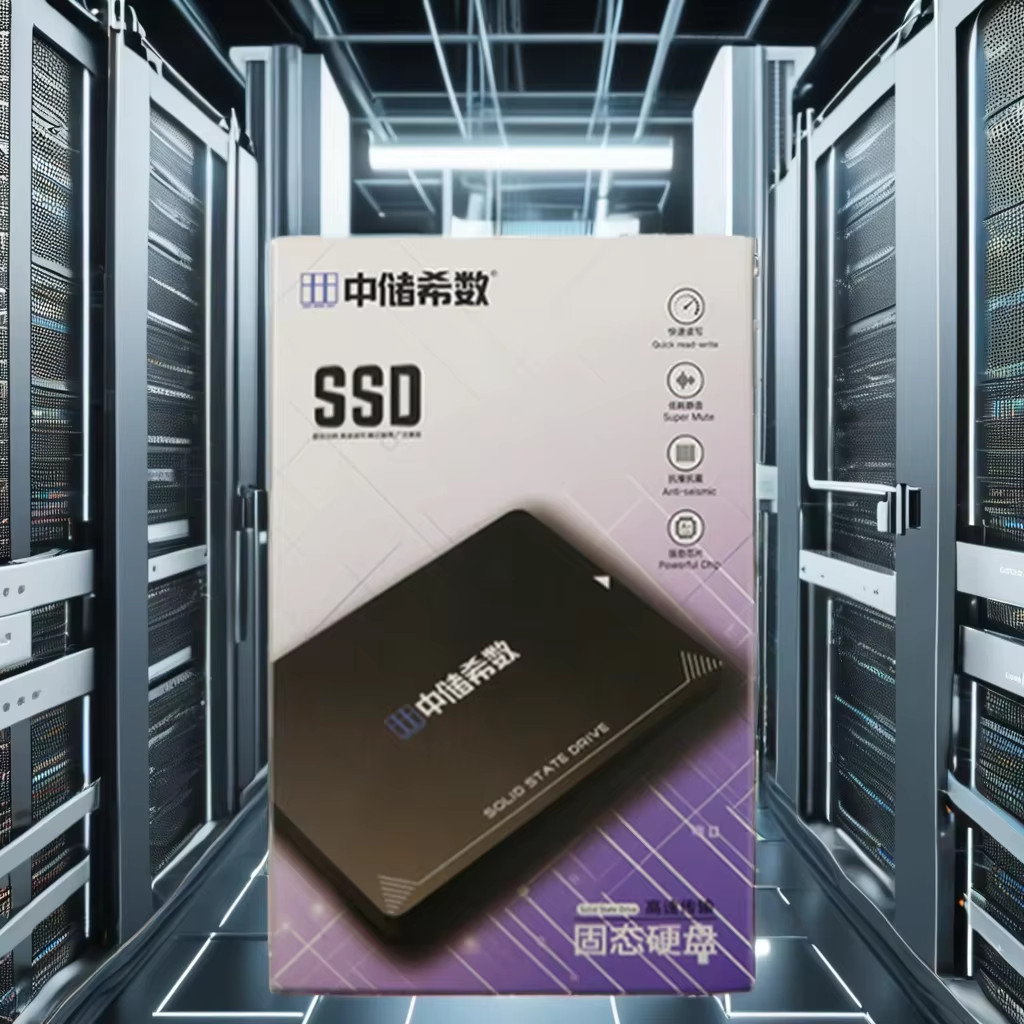

Fast random read SSDs are optimized for workloads involving numerous small, non sequential data requests – a characteristic common to operating system operations, application launching, database queries, and game asset loading. This performance metric, measured in Input/Output Operations Per Second (IOPS), represents the drive's ability to quickly access data scattered across the storage medium rather than in contiguous blocks. High random read performance is achieved through advanced controller architectures that efficiently manage multiple NAND flash channels in parallel, quality memory cells with fast access times, and often DRAM caches that store frequently accessed mapping tables. Modern NVMe SSDs with fast random read capabilities can achieve over 1,000,000 IOPS at queue depth 32 for 4KB files, dramatically improving system responsiveness compared to drives focused solely on sequential performance. This translates to noticeably faster application launches, reduced operating system boot times, smoother multitasking when switching between applications, and minimized stuttering in games that continuously load small assets from storage. The technology typically utilizes high quality TLC NAND flash with advanced error correction, sophisticated wear leveling algorithms, and thermal management that maintains consistent performance during sustained operations. Our company selects fast random read SSDs through comprehensive testing that evaluates both benchmark performance and real world responsiveness across various usage scenarios. We leverage our technical expertise and partnerships with storage manufacturers to provide these performance optimized drives to international customers, with technical support available for system specific optimization, driver configuration, and workload analysis to ensure customers achieve the maximum responsiveness benefit from their storage investment.