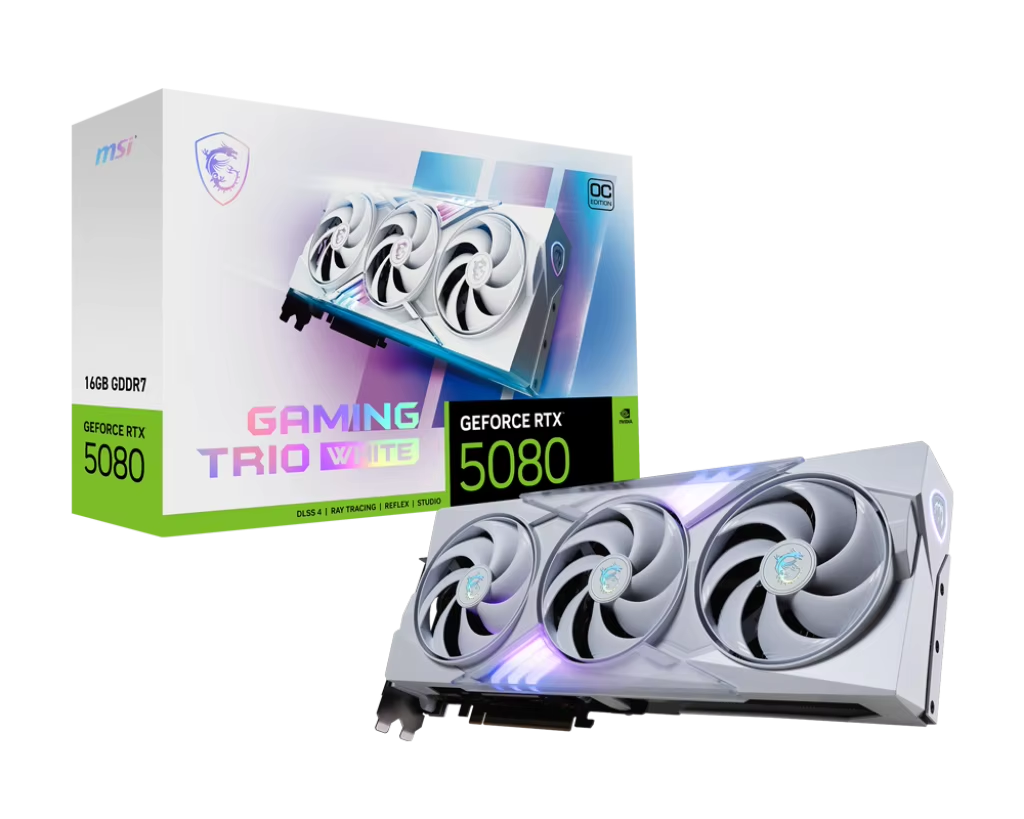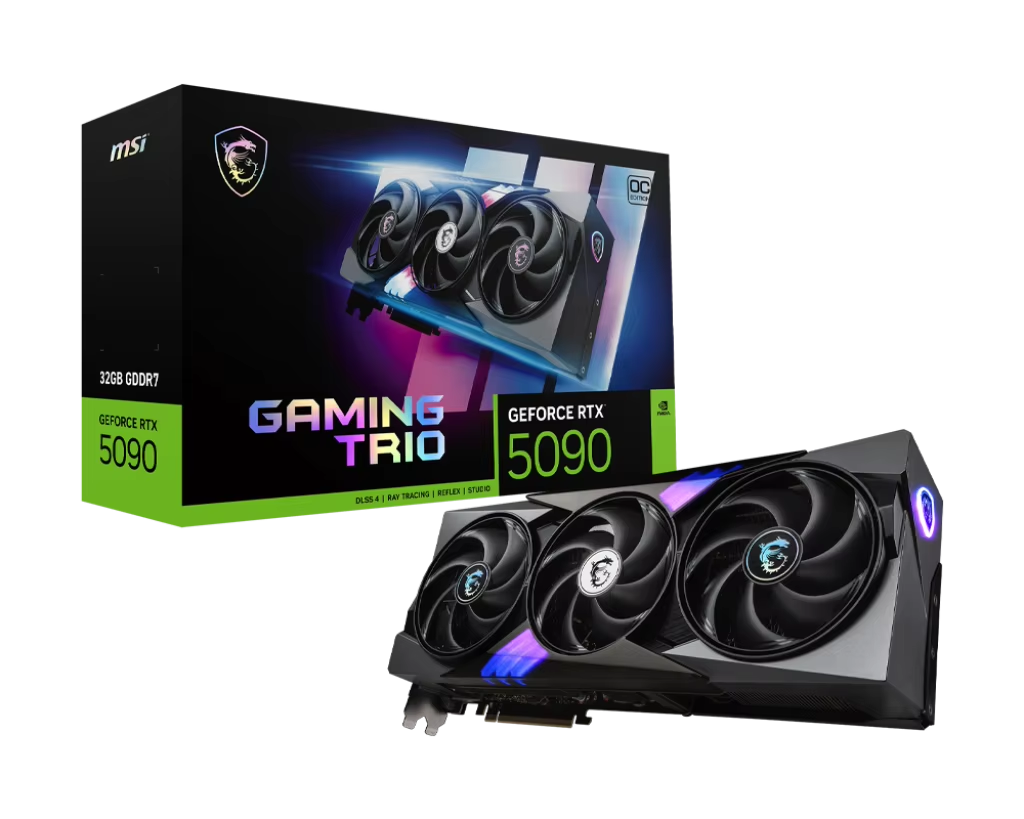

Laptop graphics cards represent highly engineered solutions that balance thermal constraints, power limitations, and performance requirements within compact mobile form factors. These GPUs utilize the same underlying architectures as their desktop counterparts but are optimized for mobile deployment through reduced power targets, lower operating frequencies, and advanced power management features. Manufacturers employ various design approaches including Max Q technologies from NVIDIA that emphasize power efficiency and thermal management for thinner laptops, and Max P designs that prioritize performance in larger chassis with more robust cooling solutions. The performance spectrum ranges from entry level integrated graphics and entry level discrete cards suitable for casual gaming and multimedia, to high end mobile GPUs like the RTX 4090 Mobile that deliver near desktop class performance. Key considerations for laptop graphics include VRAM capacity and speed, which directly impact texture quality and resolution capabilities, as well as features like NVIDIA Advanced Optimus that enables dynamic switching between integrated and discrete graphics for optimal battery life. Thermal design is particularly critical, with sophisticated cooling solutions employing multiple heat pipes, vapor chambers, and advanced thermal interface materials to maintain performance during extended gaming sessions. Our company's laptop selection process involves rigorous evaluation of real world gaming performance, thermal management under sustained loads, and driver stability across different use cases. We leverage our partnerships with leading manufacturers to provide a diverse range of graphics options to international customers, with competitive pricing facilitated by our efficient supply chain. Our technical support team assists with graphics driver management, performance optimization, and thermal monitoring to help mobile users maximize their gaming experience regardless of their geographical location or specific usage patterns.