
 EN
EN


How to Match DDR5 RAM with a Suitable Motherboard
The Shift into the DDR5 Generation Stepping into the world of DDR5 memory feels like a significant technical leap, and for good reason. Whether constructing a workstation for intensive video editing or building a custom computing rig for demanding tasks, DDR5 brings a level of bandwidth and data density that previous standards simply cannot match. However, the upgrade process is rarely as simple as plugging in new hardware. Many builders assume that memory modules are universally interchangeable across all modern platforms, but the reality is that the transition to DDR5 represents a fundamental shift in architecture. RHKStore consistently observes that understanding the underlying hardware ecosystem is the secret to a smooth, reliable integration.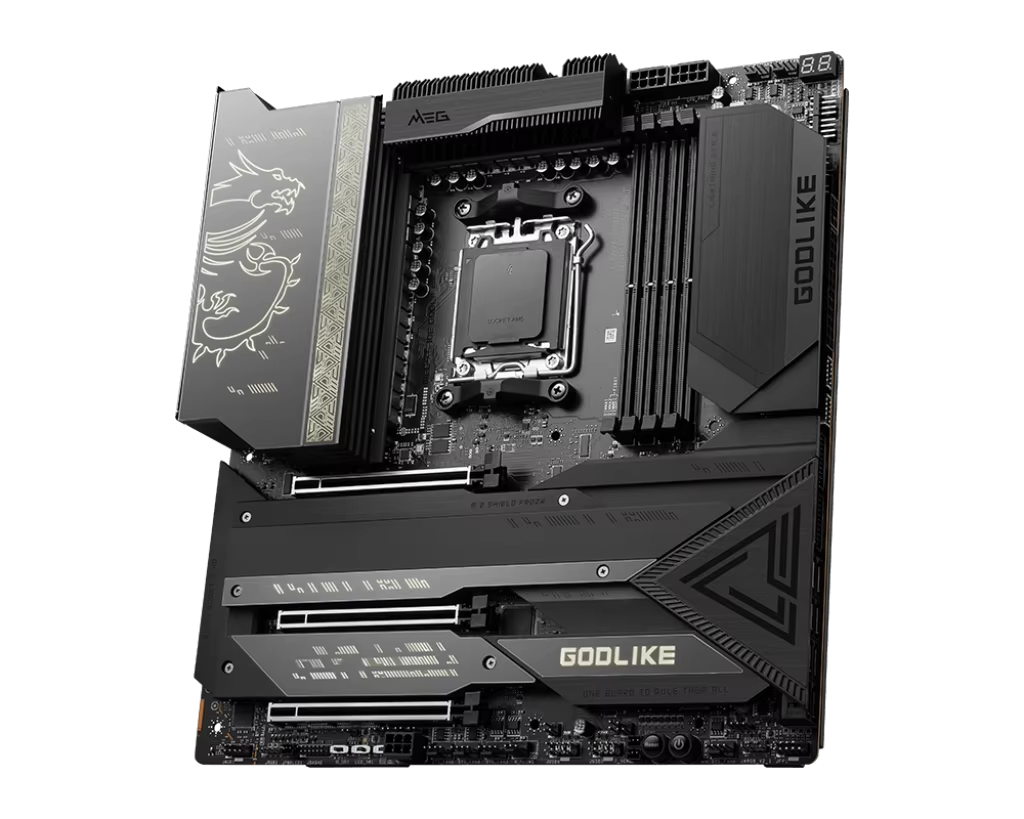
Understanding the Technical Foundation of DDR5 To grasp why the selection of a motherboard matters, one must examine the design changes on the memory module itself. Unlike previous generations where the motherboard managed voltage regulation, DDR5 modules now integrate a Power Management Integrated Circuit (PMIC) directly onto the memory stick. This component allows for finer control over power delivery, contributing to higher stability during high-frequency data operations. This design means the communication protocol between the motherboard and the memory is distinct. Motherboards engineered for older standards lack the necessary electrical pathway infrastructure to interface with this on-module power system, which is why there is zero backward compatibility between these generations.
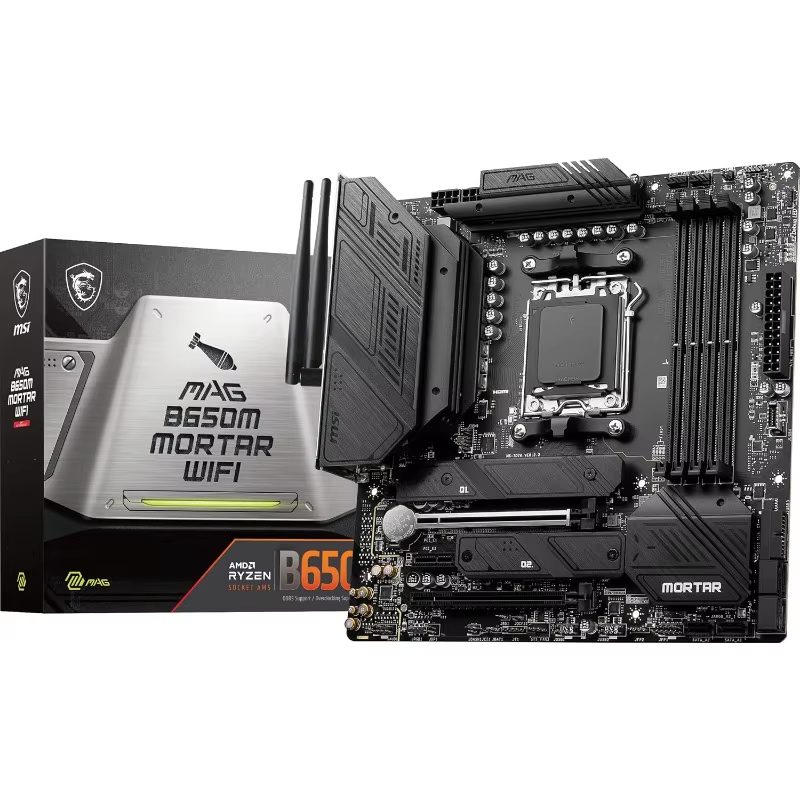
Navigating Compatibility and Physical Standards Attempting to force a DDR5 module into a socket designed for DDR4 is not possible, as every generation features a specific "key notch" placement along the contact pins. This is a hardware-level safety guard designed to prevent improper installation. When selecting components, it is essential to verify that the CPU socket—such as Intel’s LGA1700 or AMD’s AM5—is paired with a chipset that explicitly supports DDR5. RHKStore emphasizes the importance of consulting the Qualified Vendor List (QVL) provided by the motherboard manufacturer. This list serves as the definitive reference for compatibility, detailing exactly which memory kits have been verified to operate within the operational parameters of a specific motherboard design.
Strategic Matching for System Performance Not all DDR5 configurations are identical, and the choice of hardware should align with the technical requirements of the build. For those utilizing high-performance chipsets like the Z790 or X670, pairing high-frequency DDR5 allows for sophisticated memory tuning and stable performance scaling. Conversely, for users prioritizing long-term system stability, selecting a motherboard with robust Voltage Regulator Module (VRM) cooling is vital. This ensures that the power delivery remains consistent during heavy processing loads. Selecting a motherboard that lacks the necessary power delivery overhead to match high-end memory kits can result in system bottlenecks, preventing the memory from achieving its intended performance characteristics.
Leveraging Expert Supply Chain Knowledge Building a high-performance system is about ensuring synergy between every individual component. Parts function as a single, cohesive engine, and the interaction between memory and the motherboard is the most critical link in this chain. RHKStore bridges the gap between raw hardware procurement and real-world system reliability. By leveraging deep roots within the global electronics supply chain, RHKStore ensures that component pairings are technically compatible and verified for long-term integration. Reliable sourcing reduces the risk of hardware mismatches and ensures that the final assembly meets professional standards. Whether it is a server-grade project or a bespoke computing build, utilizing professional-backed supply chain solutions provides the confidence that the hardware will function exactly as specified.
Future-Proofing Your Investment Building a computer is a long-term commitment to technical productivity. DDR5 is the new standard, and motherboard manufacturers continue to refine BIOS updates and trace layouts to optimize how data is handled across these modules. Taking the time to research a compatible pairing now pays dividends in long-term system stability and provides a clear path for future hardware adjustments. By choosing components that work in technical harmony, builders create machines that remain relevant and capable. RHKStore remains dedicated to providing the technical insights and inventory precision needed to navigate this landscape, ensuring every build is successful from the moment the system is powered on.