
 EN
EN



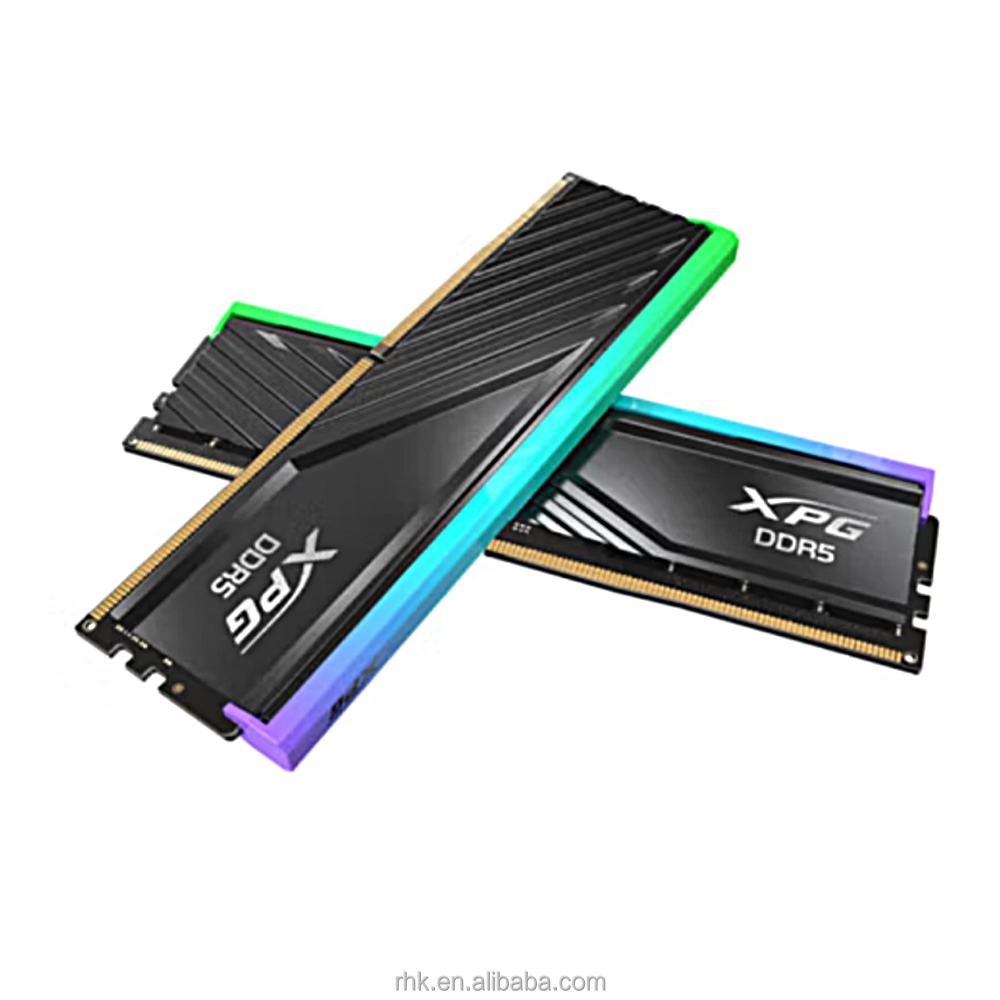
How DDR5 RAM Reliability Is Engineered: Chips, Features, and Trade-Offs
DRAM Origin Matters: Samsung, SK Hynix, and Micron Die Quality and Endurance Profiles
The foundation of any DDR5 RAM module lies in the DRAM dies it uses. Samsung, SK Hynix, and Micron supply the vast majority of chips found on retail modules—and each brings distinct quality tiers and endurance profiles that directly affect long-term stability. Samsung’s high-bin dies deliver tight timings and strong overclocking headroom, making them popular among enthusiasts—but they come at a premium and may prioritize performance over longevity in budget-oriented SKUs. SK Hynix dies—particularly the M-die and A-die revisions—are widely recognized for consistent behavior across voltage and temperature ranges, with many appearing in modules validated for 24/7 operation. Micron offers a pragmatic balance: solid baseline reliability and cost efficiency, though with more conservative overclocking margins than its competitors. When evaluating DDR5 RAM for sustained workloads, prioritize modules that transparently disclose die origin—reputable brands like Kingston FURY, Crucial, and G.Skill often specify this in product documentation or support resources—and favor those using dies with documented validation for continuous operation.
DDR5-Specific Reliability Enhancements: On-Die ECC, Adaptive Refresh, and Integrated Thermal Sensors
DDR5 introduces several hardware-level innovations that actively enhance memory resilience beyond what DDR4 offered. On-die ECC corrects single-bit errors within the DRAM chip itself, reducing error propagation to the memory controller and lowering the risk of uncorrectable errors in mission-critical applications. Adaptive refresh dynamically adjusts refresh intervals based on real-time temperature and usage patterns—significantly mitigating row hammer effects that can corrupt adjacent memory cells. Integrated thermal sensors provide per-module temperature telemetry, enabling the memory controller to throttle speed or voltage before thermal limits are breached. Together, these features make DDR5 inherently more robust for servers, workstations, and always-on infrastructure—where even infrequent instability carries outsized operational risk. While no DRAM is failure-proof, these enhancements meaningfully reduce common failure vectors and extend practical module lifespan.
Top DDR5 RAM Brands Ranked by Real-World Stability and Longevity Data
Kingston FURY and Crucial: Validation Rigor, Firmware Updates, and 2-Year Return Rate Trends (2023–2024)
Kingston FURY and Crucial lead in real-world reliability due to disciplined validation and responsive firmware stewardship. Their DDR5 modules undergo standardized 72-hour stress testing across diverse platforms—including dual- and quad-channel configurations—and receive regular BIOS- and firmware updates to resolve compatibility edge cases. Industry return data from 2023–2024 shows sub-1% failure rates for both brands’ mainstream DDR5 kits—a benchmark tied directly to their use of rigorously screened SK Hynix and Micron dies, mature EXPO/XMP profiles, and platform-specific tuning. This consistency translates to reliable plug-and-play operation without manual tuning in most professional and enthusiast builds.
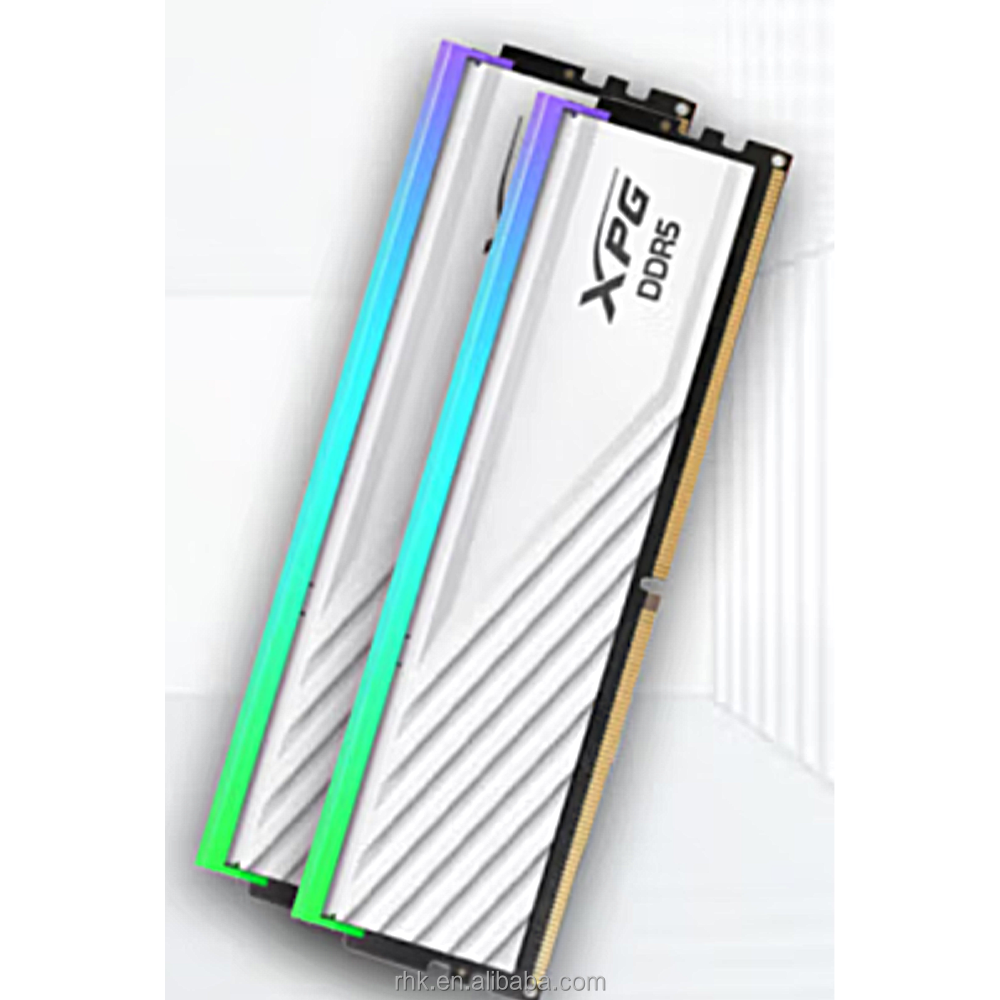
G.Skill, Klevv, and Corsair: How OEM Sourcing (e.g., SK Hynix ICs vs. Samsung B-die) Impacts Consistency
Consistency under sustained load varies significantly by OEM sourcing strategy. Modules built with SK Hynix ICs—especially A-die and M-die variants—demonstrate up to 15% lower latency drift during extended workloads compared to mixed-sourced alternatives, reflecting tighter process control and thermal predictability. Samsung B-die kits maintain tighter timing tolerances under thermal stress but require more precise voltage calibration and are less commonly used in entry-tier modules. Klevv, as a brand under SK Hynix, benefits from direct access to first-party die characterization and firmware optimization, while G.Skill and Corsair employ flexible sourcing depending on SKU tier—making die transparency essential when selecting for longevity. For 24/7 deployments, prioritize models explicitly validated with SK Hynix or high-bin Samsung dies and confirmed firmware maturity via manufacturer release notes.
Selecting DDR5 RAM for Long-Term Workloads: Capacity, Timings, and Thermal Design
Choosing the right DDR5 RAM for sustained operation requires balancing capacity, timings, and thermal characteristics—not just peak bandwidth.
Top 3 DDR5 RAM Kits Validated for 24/7 Operation — Emphasizing Low Heat, Tight Subtimings, and Firmware Maturity
Three kits stand out for enterprise-grade durability and real-world validation:
-
Crucial Pro DDR5-6000 CL30 (32GB, 2×16GB)
Built with Micron E-die, validated across Intel and AMD platforms, and optimized for low-voltage operation (1.25V). Its mature firmware supports stable EXPO/XMP profiles without manual tuning and includes thermal throttling safeguards. -
Kingston FURY Beast DDR5-6000 CL30 (32GB, 2×16GB)
Uses SK Hynix A-die and features precision-tuned subtimings and a passive heatspreader designed for airflow-constrained workstations. Backed by Kingston’s 24/7 server qualification program and firmware updated through 2024. -
Klevv BOLT X DDR5-6000 CL30 (32GB, 2×16GB)
Leverages SK Hynix’s latest A-die generation with factory-validated 24/7 endurance testing. Includes integrated thermal sensors and adaptive refresh tuning refined specifically for virtualization and rendering workloads.
All three kits emphasize low operating voltages, thermally efficient heatspreader designs, and mature, cross-platform firmware—critical for avoiding thermal throttling or timing collapse during multi-hour renders or VM clusters. For most professional deployments, 32GB at 6000 MT/s delivers optimal bandwidth-to-latency-to-thermal balance; higher capacities (e.g., 64GB) increase power draw and heat without proportional gains in responsiveness for typical workstation tasks.
Platform-Specific DDR5 RAM Stability: Intel vs. AMD Memory Controller Realities
Intel’s 12th through 14th Gen CPUs integrate the memory controller directly onto the CPU die—a monolithic design that delivers excellent signal integrity and predictable DDR5 behavior. Official support caps at DDR5-5600, but mature BIOS implementations on Z690/Z790/Z890 motherboards reliably enable stable operation at DDR5-6000 and beyond, often with minimal tuning. In contrast, AMD’s Ryzen 7000 series uses a chiplet architecture where the memory controller resides on the I/O die—introducing subtle latency variations and greater sensitivity to motherboard PCB layout and trace routing. As a result, high-speed DDR5 kits (especially 2-DIMM configurations) often require BIOS updates, manual VDDQ/VDDIO adjustments, or relaxed primary timings to achieve full stability on early AM5 boards. While firmware maturity has improved markedly since 2023, Intel still offers a more consistent plug-and-play experience for DDR5 RAM, whereas AMD rewards users who invest time in memory training and fine-grained tuning. Regardless of platform, selecting a kit explicitly validated for your CPU generation and chipset remains the most effective way to minimize compatibility risks.
FAQ
What are the main brands to consider for reliable DDR5 RAM?
Kingston FURY, Crucial, and G.Skill are highly recommended for their rigorous validation processes and use of high-quality dies.
What are some DDR5-specific features that enhance reliability?
On-die ECC, adaptive refresh technology, and integrated thermal sensors are significant features in DDR5 that boost reliability and prevent failures.
How can I ensure long-term stability for DDR5 in continuous workloads?
Choose modules validated for 24/7 operations, prioritize those with low operating voltages, and ensure mature cross-platform firmware from reputable manufacturers.
Why is there a difference in stability between Intel and AMD platforms?
Intel's monolithic memory controller ensures predictability, while AMD's chiplet design introduces variability, often requiring manual fine-tuning to stabilize DDR5 performance.
Which DDR5 RAM kits do professionals prefer for 24/7 workloads?
Crucial Pro DDR5-6000 CL30, Kingston FURY Beast DDR5-6000 CL30, and Klevv BOLT X DDR5-6000 CL30 are popular for their low heat, tight timings, and validated performance.
Table of Contents
- How DDR5 RAM Reliability Is Engineered: Chips, Features, and Trade-Offs
- Top DDR5 RAM Brands Ranked by Real-World Stability and Longevity Data
- Selecting DDR5 RAM for Long-Term Workloads: Capacity, Timings, and Thermal Design
- Platform-Specific DDR5 RAM Stability: Intel vs. AMD Memory Controller Realities