
 EN
EN


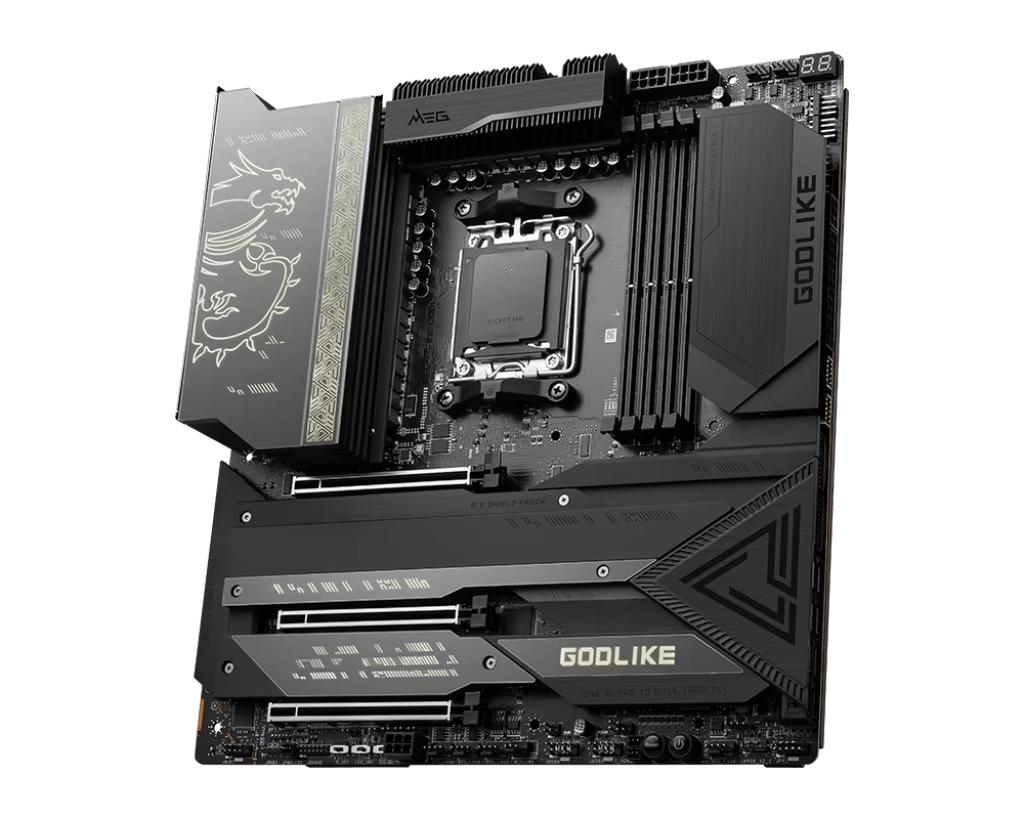
Navigating the Hardware Demands of Modern 3D Workloads
Putting together a serious machine for 3D rendering feels a lot like building a high-performance engine; every single part has to sync up perfectly or the whole system chokes under pressure. Through years of hands-on workshop testing and troubleshooting custom rigs for digital artists and animators, a clear lesson always stands out: the motherboard is far more than just a green circuit board to plug components into. It serves as the central nervous system handling massive data streams between high-end processors, dense memory banks, and heavy graphics cards. When rendering complex scenes with advanced ray tracing or heavy particle simulations, a sub-par board will introduce latency and thermal bottlenecks that completely stall productivity. Finding the right hardware foundation requires looking closely at how data moves across the circuit traces rather than just chasing flashy aesthetics or baseline specifications on a product box. Professional builders quickly realize that architectural integrity dictates long-term operational success in heavy visualization environments where every second of processing time directly impacts project delivery schedules and overall creative output across different production pipelines.
Understanding Chipset Architecture and Lane Distribution
One of the most common pitfalls builders encounter involves PCIe lane allocation and bandwidth management. Modern rendering setups frequently rely on multi-GPU configurations to slash rendering times down to a manageable window, allowing creators to iterate faster. However, populating multiple expansion slots can sometimes trigger unexpected bandwidth sharing, cutting your high-speed PCIe lanes in half if the chipset cannot handle the traffic natively. Industry architectural standards from major platform developers emphasize that robust lane distribution is critical for preventing data traffic jams between the central processor and the rendering cards. When selecting hardware for professional visualization tasks, paying close attention to the platform's detailed block diagram ensures that every single graphics card operates at its full potential speed without being throttled by hidden lane sharing limitations. Reviewing these technical layouts beforehand saves countless hours of troubleshooting once the physical build is assembled on the workbench, ensuring that hardware investments yield their maximum theoretical performance returns without unexpected hardware bottlenecks affecting the final rendering outputs.
Power Delivery Integrity for Extended Rendering Sessions
Rendering a single high-resolution animation frame can take hours, and a full sequence can push hardware to absolute limits for days on end without stopping. During these marathon sessions, the Voltage Regulation Modules (VRMs) located directly on the motherboard take a massive beating. If the power stages are weak or poorly cooled, the system will experience voltage sag, leading to unexpected crashes right in the middle of a critical render job. Reliable engineering guidelines suggest looking for boards featuring robust multi-phase power designs coupled with oversized aluminum heatsinks and high-conductivity thermal pads. This physical hardware setup keeps thermal energy under control, ensuring stable electrical currents reach the processor and memory without triggering performance-draining thermal throttling when the workload peaks. Maintaining stable power delivery is the absolute backbone of avoiding corrupted renders and ensuring absolute system reliability during heavy computational cycles where system stability cannot be compromised under any circumstances.
Maximizing Memory Bandwidth and System Stability
Heavy 3D rendering environments consume vast amounts of system memory, especially when dealing with high-polygon assets, ultra-high-definition textures, and intricate volumetric smoke or fluid simulations. The motherboard's memory topology plays a massive role in how smoothly these large datasets load into active memory pools. Boards that support advanced multi-channel configurations or high-speed memory protocols provide a distinct advantage by expanding the data pipeline width. Beyond raw capacity, structural stability is paramount. Ensuring that the motherboard is fully validated for high-density memory kits prevents data corruption during prolonged calculations, safeguarding hours of rendering progress from sudden crashes or silent data errors. Technicians always look for qualified vendor lists to verify that the chosen memory modules will communicate flawlessly with the board's BIOS firmware under sustained heavy loads, ensuring absolute rock-solid reliability for all intensive digital content creation tasks across demanding professional projects.
Securing Reliable Supply Chains for Professional Hardware Builds
Choosing the right technical specifications is only half the battle when deploying professional workstations; sourcing consistent, high-grade components at scale is another major hurdle altogether. Global hardware markets can often be unpredictable, making it vital to partner with established distributors who maintain stable inventories of verified high-performance hardware. RHK bridges this exact gap by leveraging deep manufacturing partnerships and an extensive global distribution network. By providing steady access to enterprise-grade computer components, RHK ensures that systems integrators and technical builders can secure the exact hardware foundations they need without compromising on quality or facing unexpected supply bottlenecks. Building a reliable computing infrastructure depends as much on the strength of the supply chain as it does on the quality of the silicon itself, establishing long-term confidence for every professional hardware deployment worldwide.