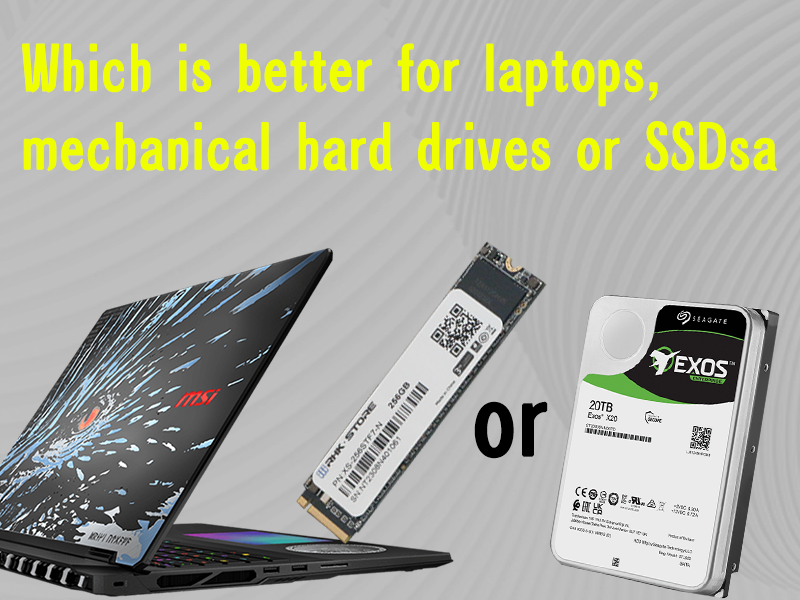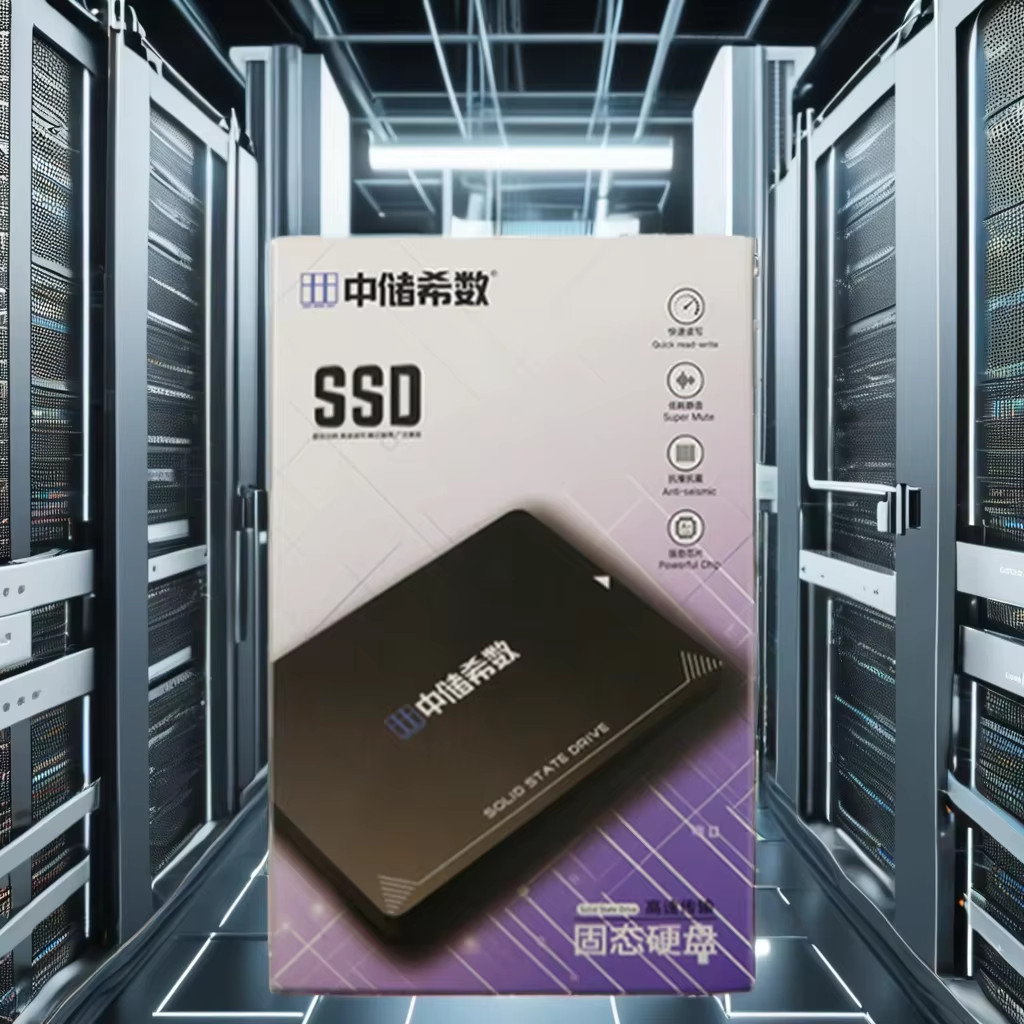

Budget SSDs represent the most accessible entry point to solid state storage technology, delivering the fundamental performance benefits of flash storage while maintaining aggressive price points that make them viable alternatives to traditional hard drives for basic computing needs. These drives typically achieve cost reduction through several approaches including the use of QLC (Quad Level Cell) NAND flash that stores four bits per cell, increasing density but with somewhat lower write endurance and sustained write performance compared to TLC alternatives; controller designs with simplified features; and often the elimination of DRAM caches, instead utilizing host memory buffer (HMB) technology on NVMe models that leverages system RAM for mapping tables. Despite these cost saving measures, budget SSDs still deliver transformative performance improvements over hard drives, with sequential read speeds typically ranging from 500 550 MB/s for SATA models to 2,000 3,000 MB/s for entry level NVMe implementations, dramatically improving system responsiveness, boot times, and application loading. The endurance ratings, while lower than premium models (typically 100 200 TBW for 500GB capacity), remain sufficient for typical consumer usage patterns when properly managed. Available in both 2.5 inch SATA and M.2 form factors, these drives offer compatibility with a wide range of systems from older desktops to modern laptops. Our company's budget SSD selection focuses on models from reputable manufacturers that maintain essential reliability standards while achieving competitive pricing. Through our efficient supply chain management and volume purchasing power, we make these entry level solid state solutions accessible to price sensitive customers worldwide, with technical support available for installation guidance and optimization advice to ensure customers achieve the maximum performance benefit from their storage investment.