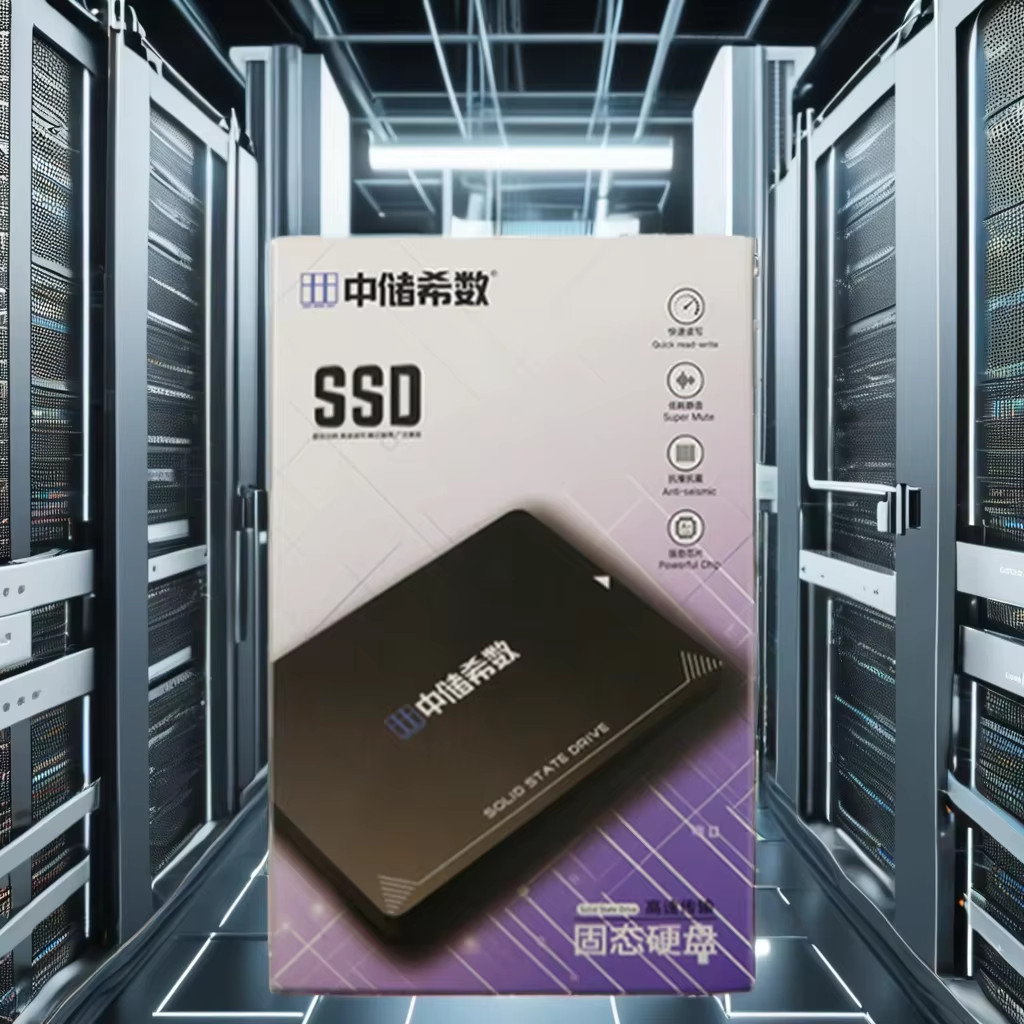

Laptop SSDs represent a specialized category of solid state storage engineered specifically for the unique requirements of mobile computing environments, prioritizing factors such as power efficiency, thermal management, physical dimensions, and shock resistance. The form factor is predominantly M.2, with 2280 (80mm) being the most common length, though some ultra thin laptops require shorter variants such as 2230 or 2242, making physical compatibility verification essential before purchase. The interface may be either SATA based for broader compatibility with older systems or NVMe for maximum performance in modern laptops, with the keying (typically B key for SATA, M key for NVMe, or B+M key for compatibility with both) being a critical consideration. Power management features are particularly important for laptop SSDs, with advanced power states that minimize energy consumption during inactive periods, contributing significantly to extended battery life. Thermal characteristics are carefully engineered to operate within the constrained cooling capabilities of laptop chassis, often utilizing lower power controllers and NAND flash that generate less heat than their desktop oriented counterparts. The inherent shock resistance of solid state technology, with no moving parts, provides enhanced data protection against the physical jostling and impacts that mobile devices frequently encounter. Our company's laptop SSD selection includes models specifically validated for mobile compatibility, with comprehensive testing for stability, power efficiency, and thermal performance under typical laptop usage scenarios. Through our partnerships with leading storage manufacturers and efficient global logistics, we provide these essential upgrade components to international customers, with technical support available for compatibility verification, installation guidance, and data migration assistance to ensure seamless laptop performance enhancements.