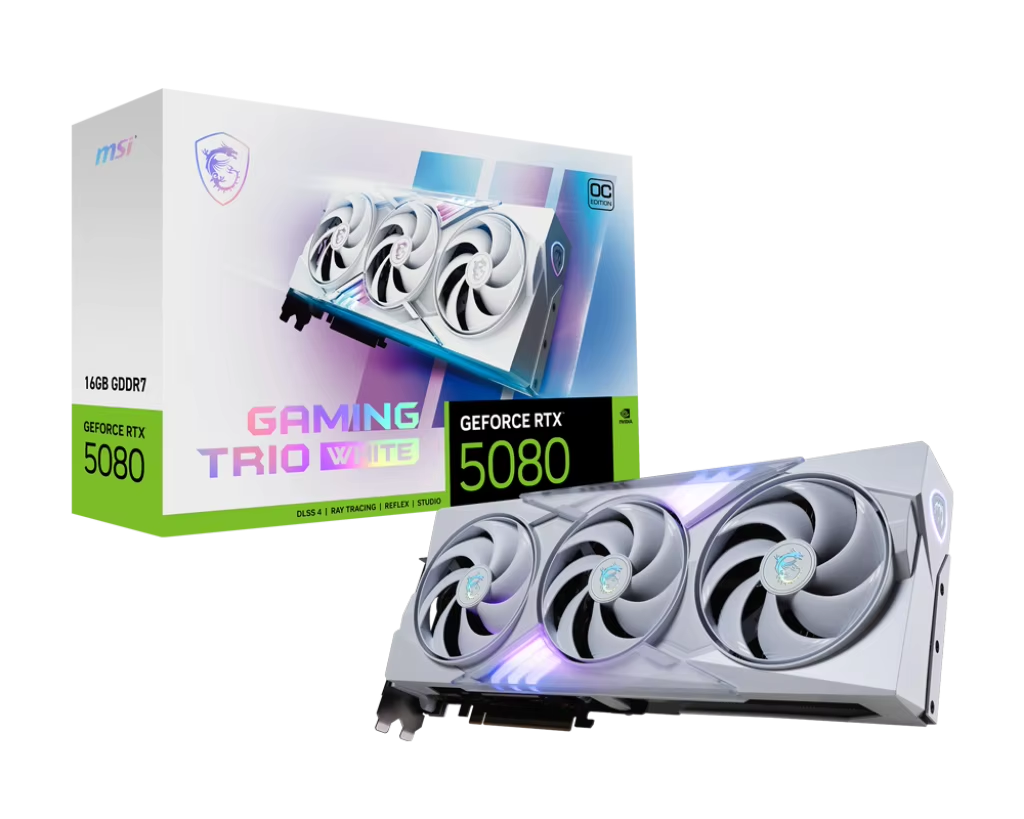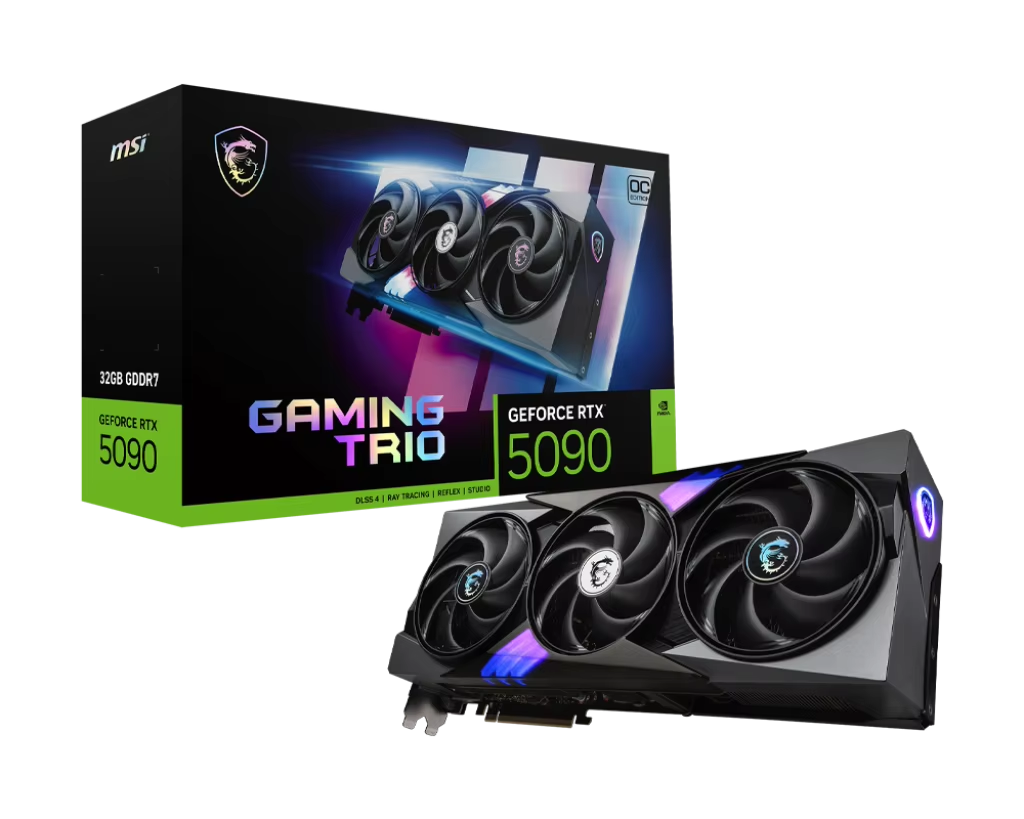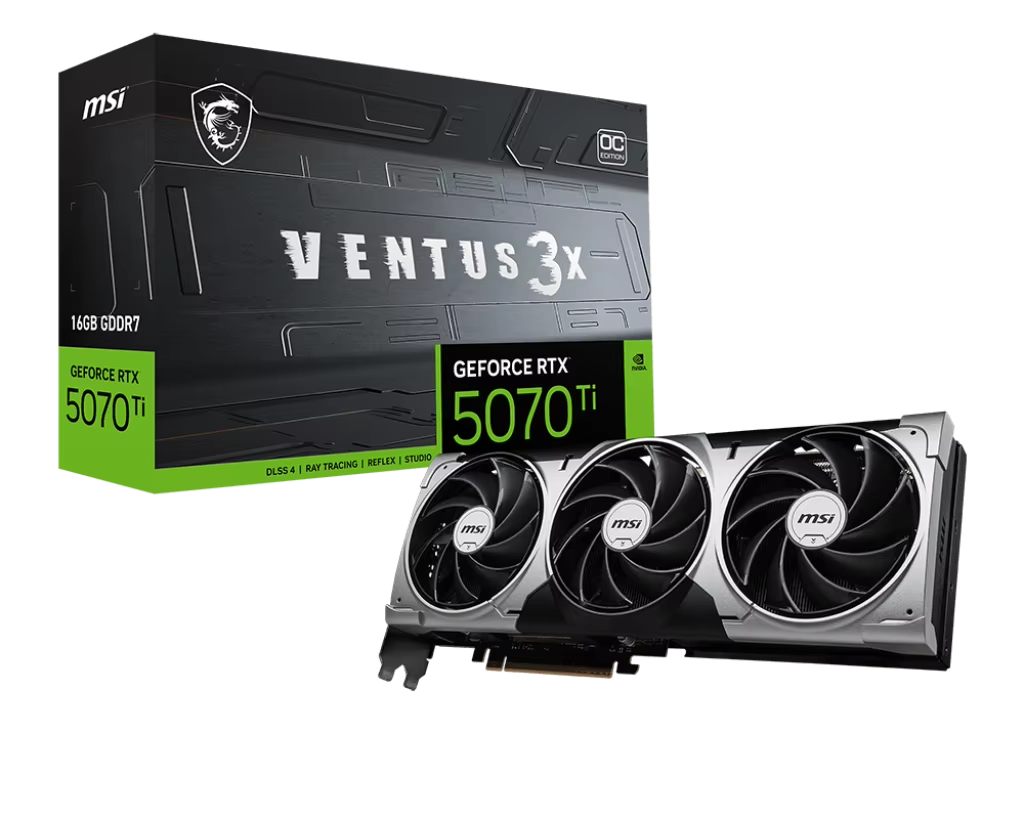
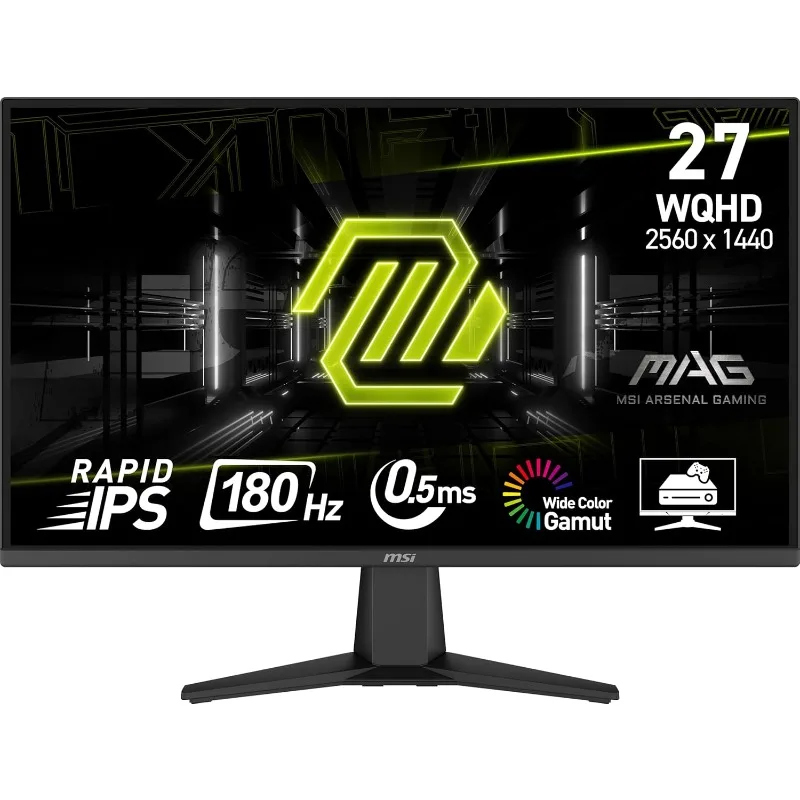
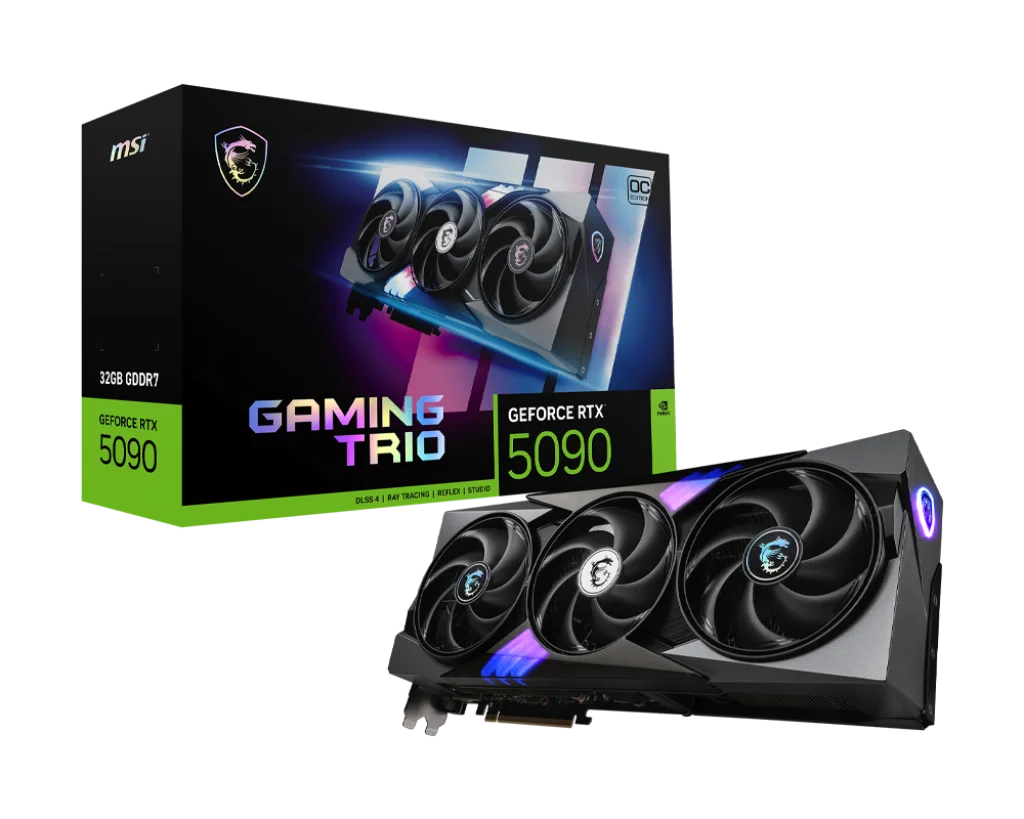
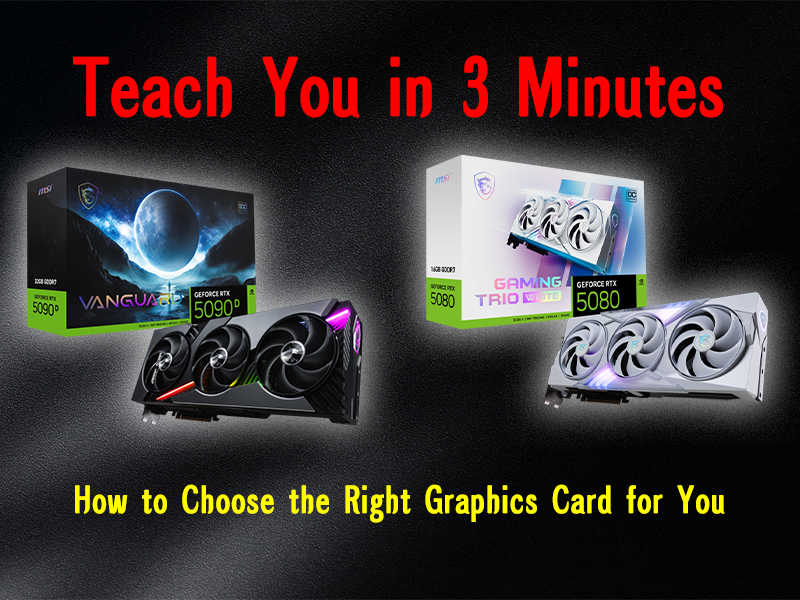
Graphics card compatibility with curved monitors involves both technical specifications and feature support to fully utilize these immersive displays. While virtually any modern graphics card can output to a curved monitor, optimal compatibility requires consideration of several factors. The output specifications must match the monitor's native resolution and refresh rate, with current display standards supporting curved displays up to 5120x1440 resolution at 240Hz or 3840x1600 at 175Hz. The graphics card must provide the necessary video outputs – typically DisplayPort 1.4 or newer – to support the monitor's maximum capabilities without compression or chroma subsampling. Beyond basic connectivity, feature compatibility includes support for variable refresh rate technologies (FreeSync or G SYNC) that synchronize the display's curvature matched refresh rate with the GPU's frame output for tear free gaming. The graphics processing power must be sufficient to drive the monitor's native resolution – curved monitors typically have higher pixel counts than their flat counterparts of similar size classification. Additionally, some curved ultra wide monitors benefit from specialized software features that optimize game field of view and user interface elements for the curved format. Our company's graphics card recommendations for curved monitors consider both the technical requirements and the intended usage scenarios, whether for immersive gaming, productivity, or content creation. We test card and monitor combinations for compatibility with curved display technologies and variable refresh rate implementations. Through our global supply chain, we provide compatible solutions to international customers, while our technical support assists with configuration, calibration, and optimization to ensure customers fully benefit from their curved monitor investment.