 ×
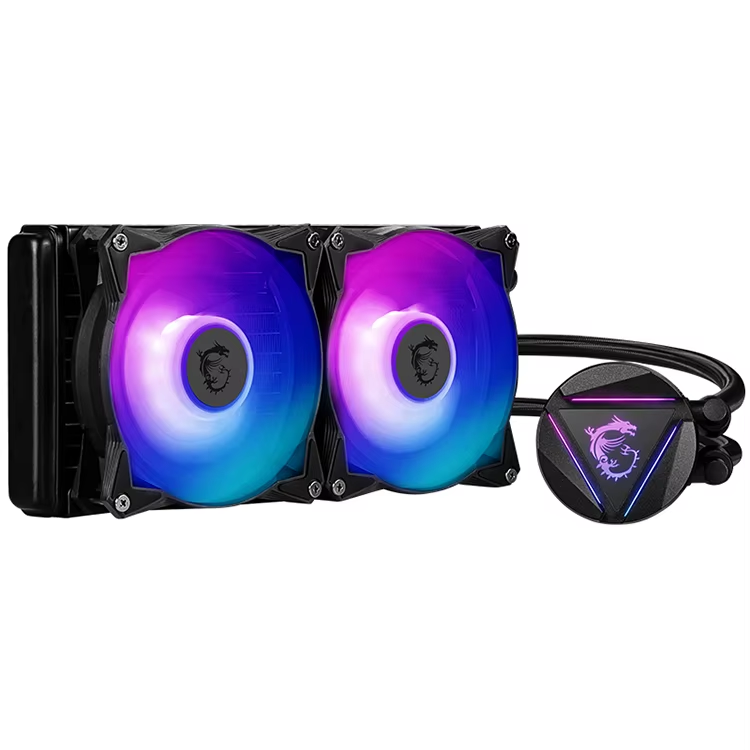
Evaluating Thermal Design Power and Passive Cooling Architecture Selecting the right processor for a thin client footprint requires a strict focus on thermal management and power efficiency. Unlike heavy workstation builds or bulky desktop setups, ...
VIEW MORE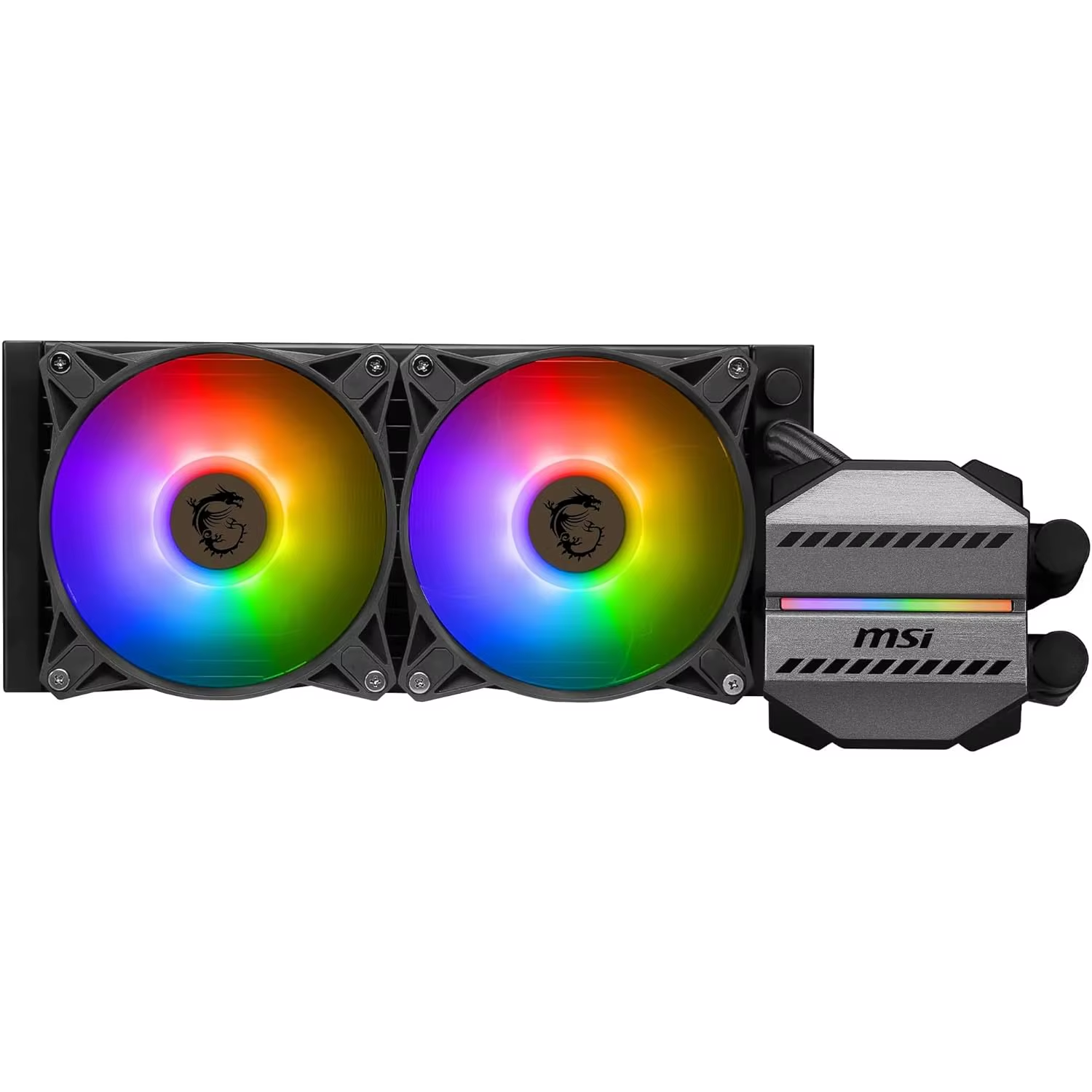
Assessing Thermal Design Power and Peak Power Spikes Selecting the right power supply for your build starts with analyzing the power consumption characteristics of your chosen cpu. Many PC builders look strictly at the rated Thermal Design Power pu...
VIEW MORE
Understanding GPU Load in Multi-Monitor SetupsDisplay Output vs. Rendering Load: Why More Monitors Don’t Always Demand More GPU PowerAdding a second or third monitor does not automatically double or triple GPU (Graphics Processing Unit) workload. Eac...
VIEW MORE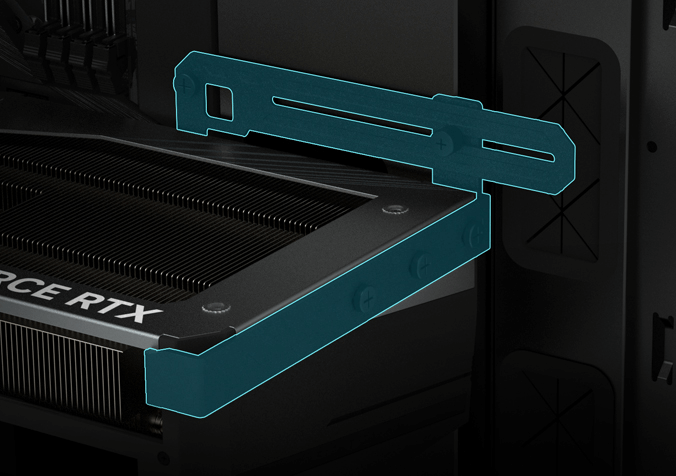
Evaluate Your Workload’s Graphics Card RequirementsMatching GPU Performance to Professional Applications: CAD, Video Editing, and AI WorkloadsBefore choosing a graphics card, align its compute capability with your core applications. Video editing sui...
VIEW MORE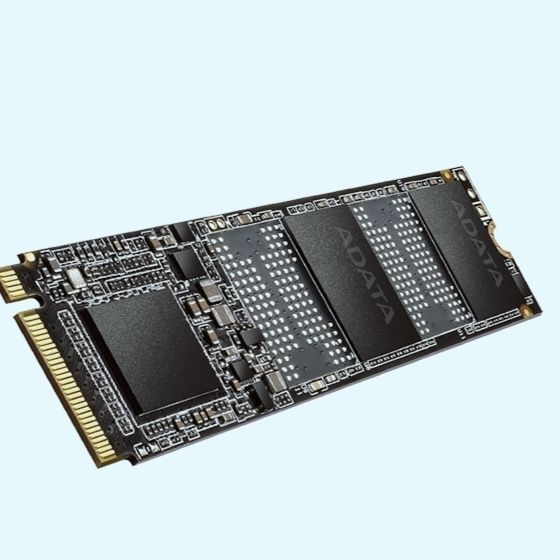
Key SSD Performance Metrics for Office Multitasking For a multi-task office PC, not all SSD speed figures carry equal weight. The two metrics below predict everyday responsiveness better than peak sequential read/write claims. Why 4K Random Read/Writ...
VIEW MORE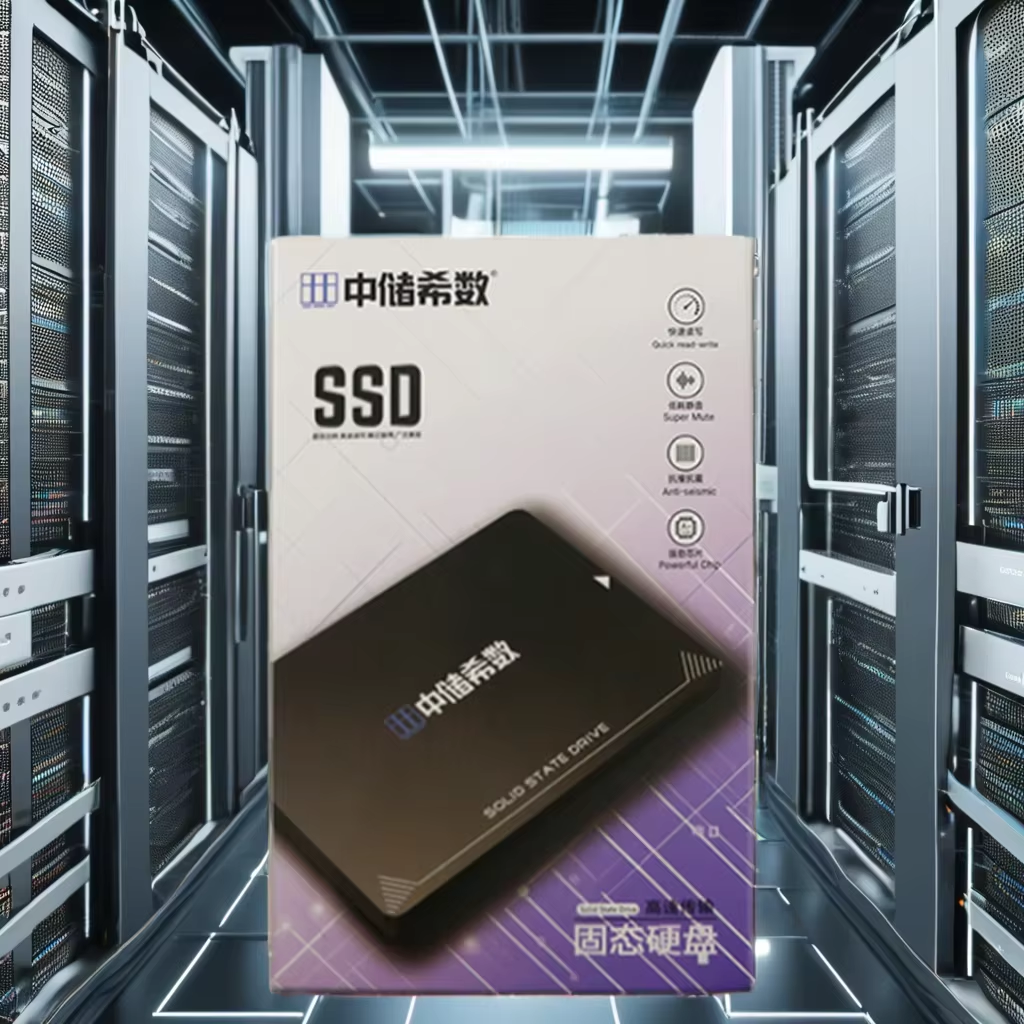
Key SSD Selection Criteria for Small Business PCsTBW, Warranty, and Firmware Stability Over Peak SpeedFor most small business tasks—document editing, spreadsheets, email, and web apps—the flashy sequential read speeds of a top-tier SSD add almost no ...
VIEW MORE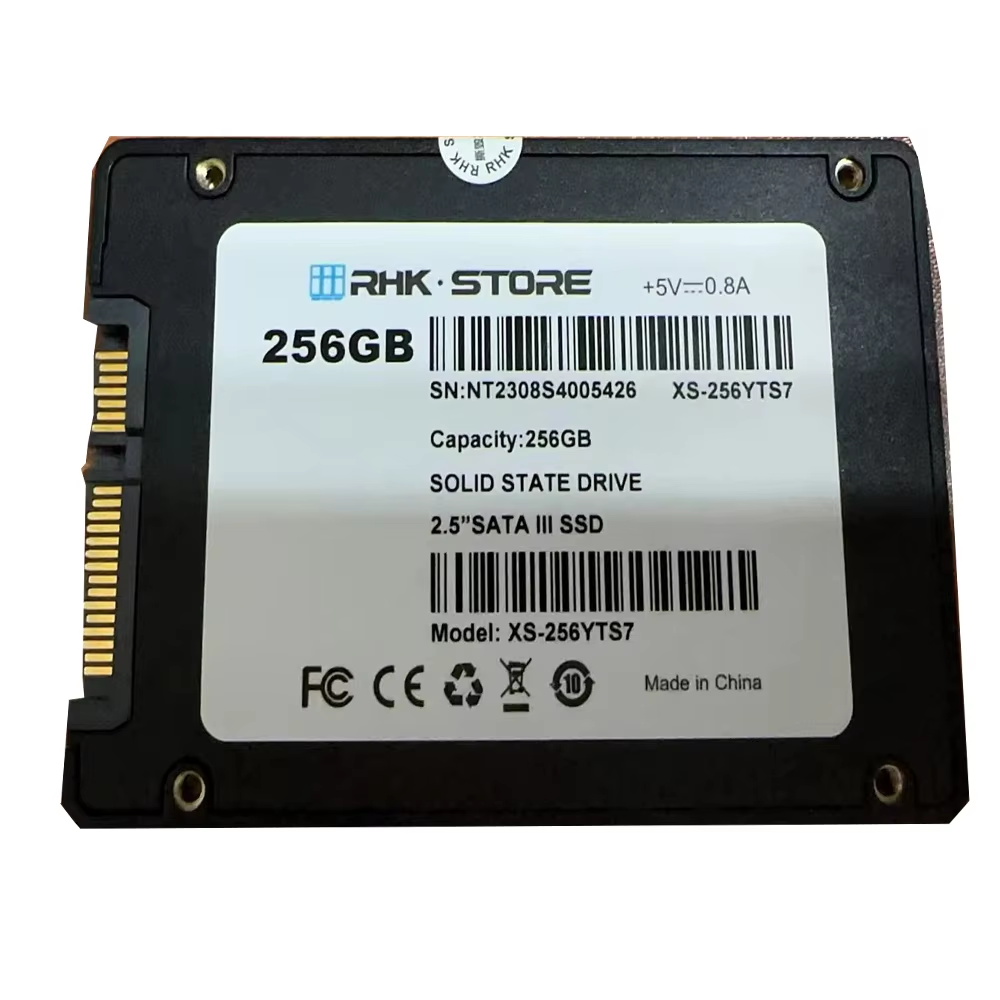
Why an SSD Cannot Replace RAM: The Fundamental Hardware DivideA core misconception in computing is the idea that a fast SSD could function as system memory. The divide between an SSD and RAM isn’t about speed alone—it’s rooted in fundamentally differ...
VIEW MORE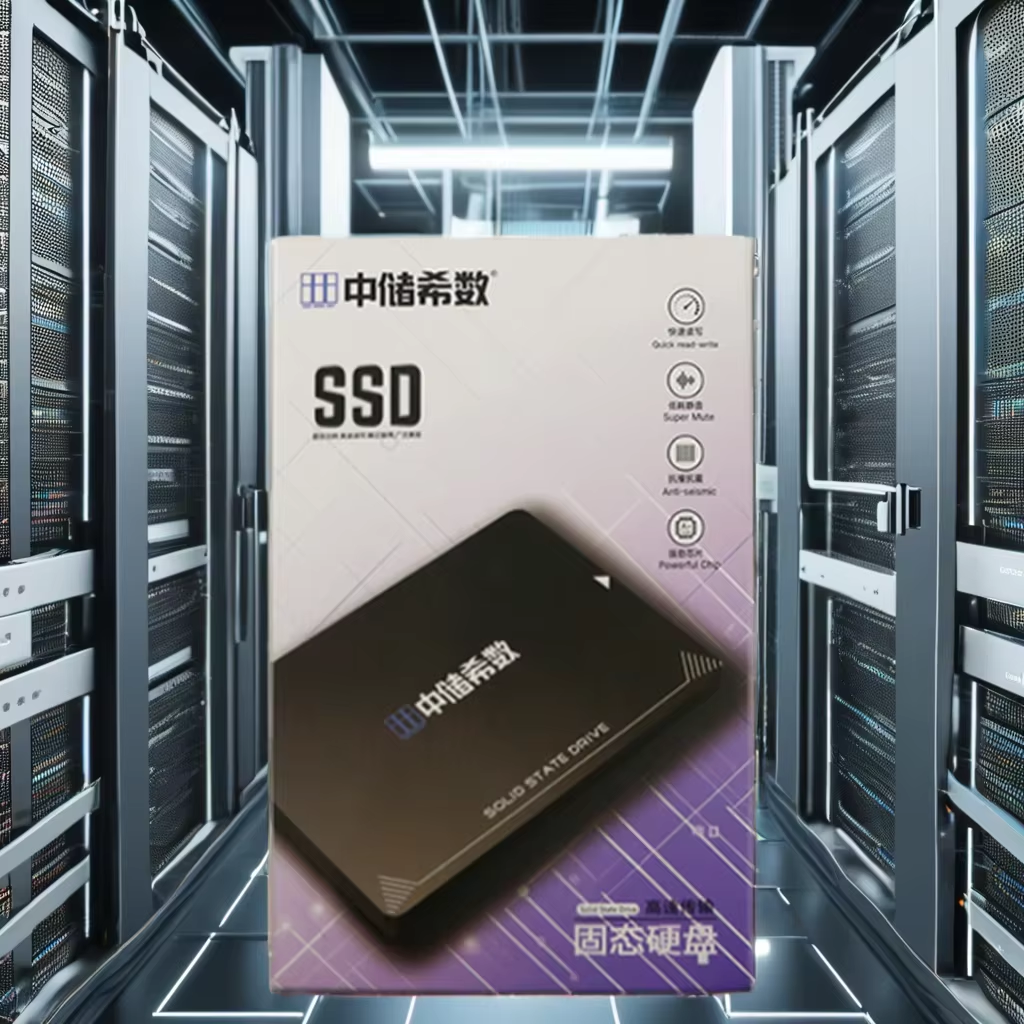
Core SSD Performance Requirements for AI WorkloadsWhy Low Latency and High Queue Depth Matter More Than Raw CapacityIn AI data pipelines, storage throughput is rarely the bottleneck—idle GPUs waiting for data are the real cost. An SSD’s ability to se...
VIEW MORE
Align PCIe 4.0 SSD Performance with Your High-End Use Case Selecting a PCIe 4.0 SSD is not about chasing the highest sequential speed on a specification sheet. The core objective is to align the drive’s architectural strengths with the specific I/O p...
VIEW MORE
Why SSD RAID Requires a Different Reliability MindsetSSD RAID demands a shift from traditional HDD-centric strategies. Where hard drive RAIDs were designed to mitigate slow mechanical degradation, solid-state arrays introduce unique reliability risks...
VIEW MORE
Key SSD Reliability Metrics That Predict Long-Term Performance TBW, DWPD, and P/E Cycles: Translating Specs into Real-World Endurance The long-term reliability of an SSD is defined not by time alone, but by quantifiable endurance metrics that refle...
VIEW MORE
Understanding SSD Endurance Metrics: TBW, DWPD, and P/E Cycles How TBW and DWPD Translate to Real-World Lifespan Total Bytes Written (TBW) quantifies the total data an SSD can accept over its lifetime, while Drive Writes Per Day (DWPD) expresses ho...
VIEW MORE
 EN

