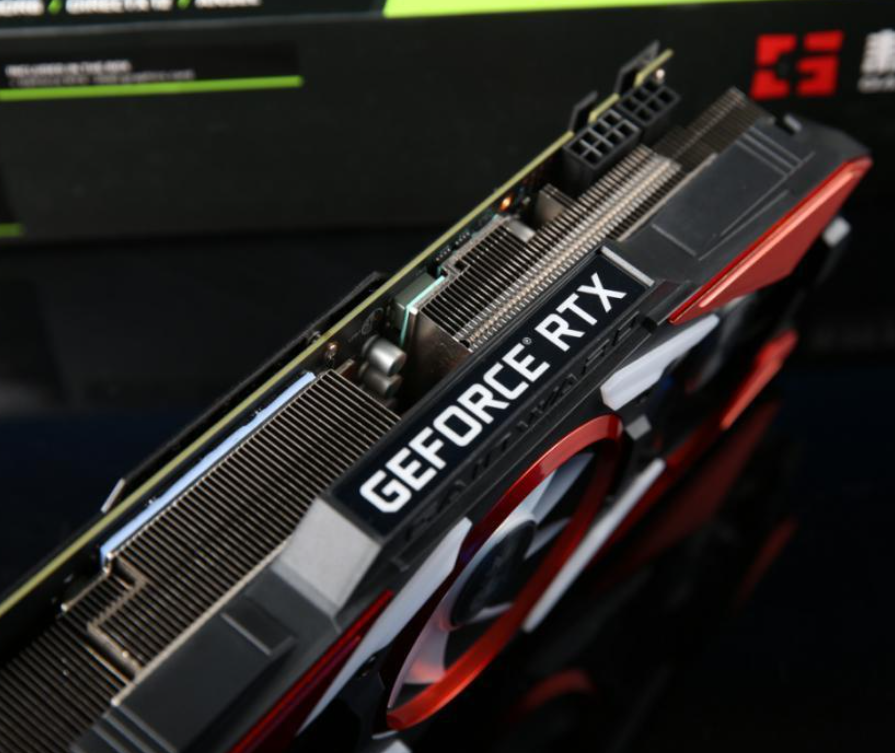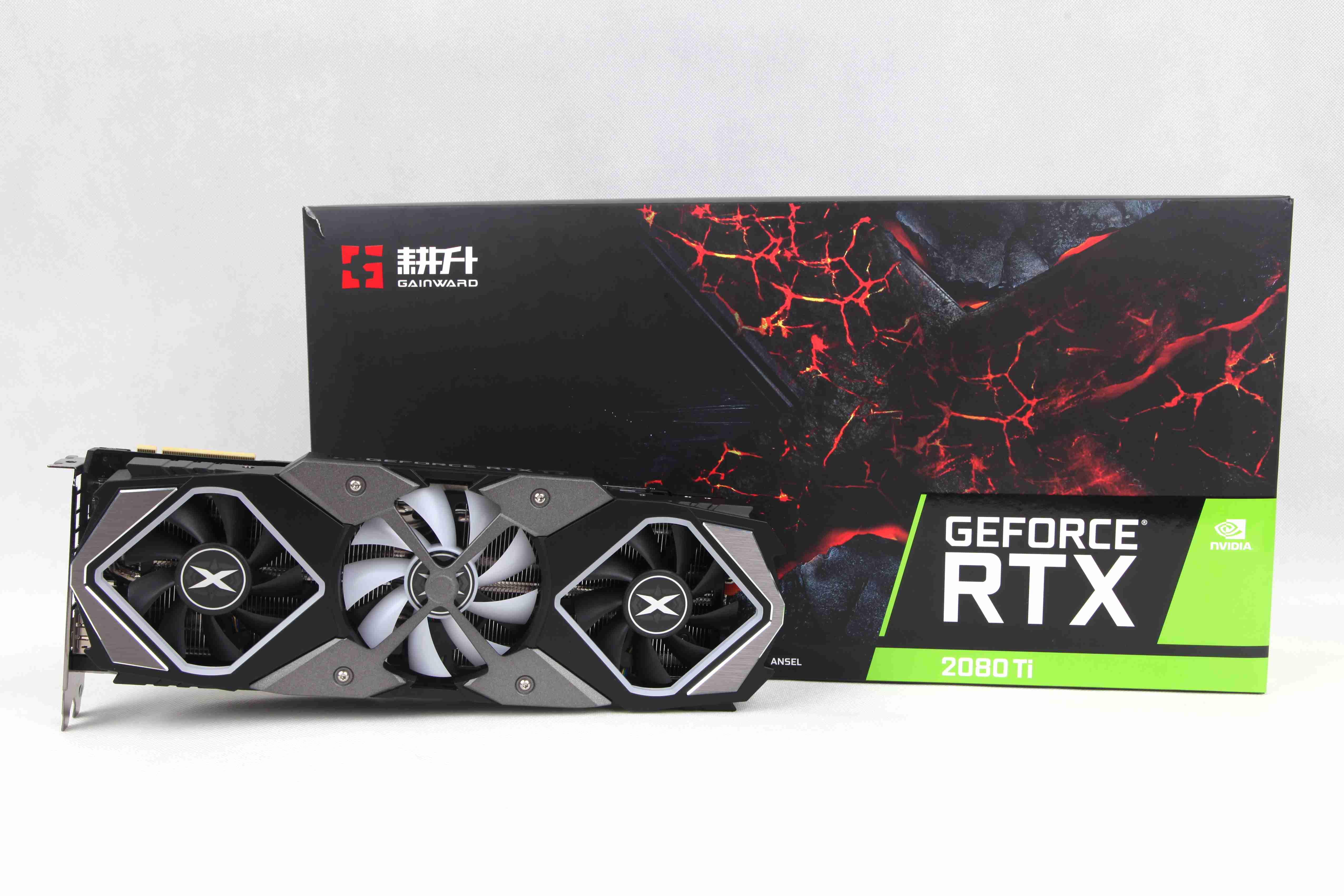
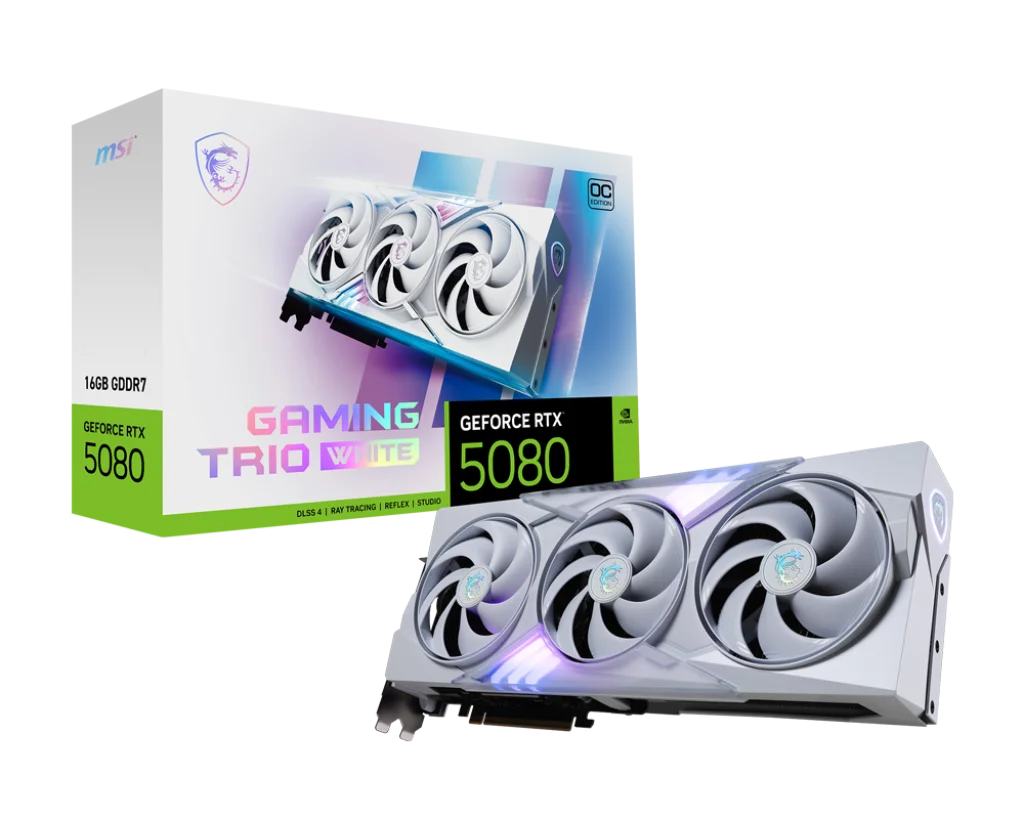
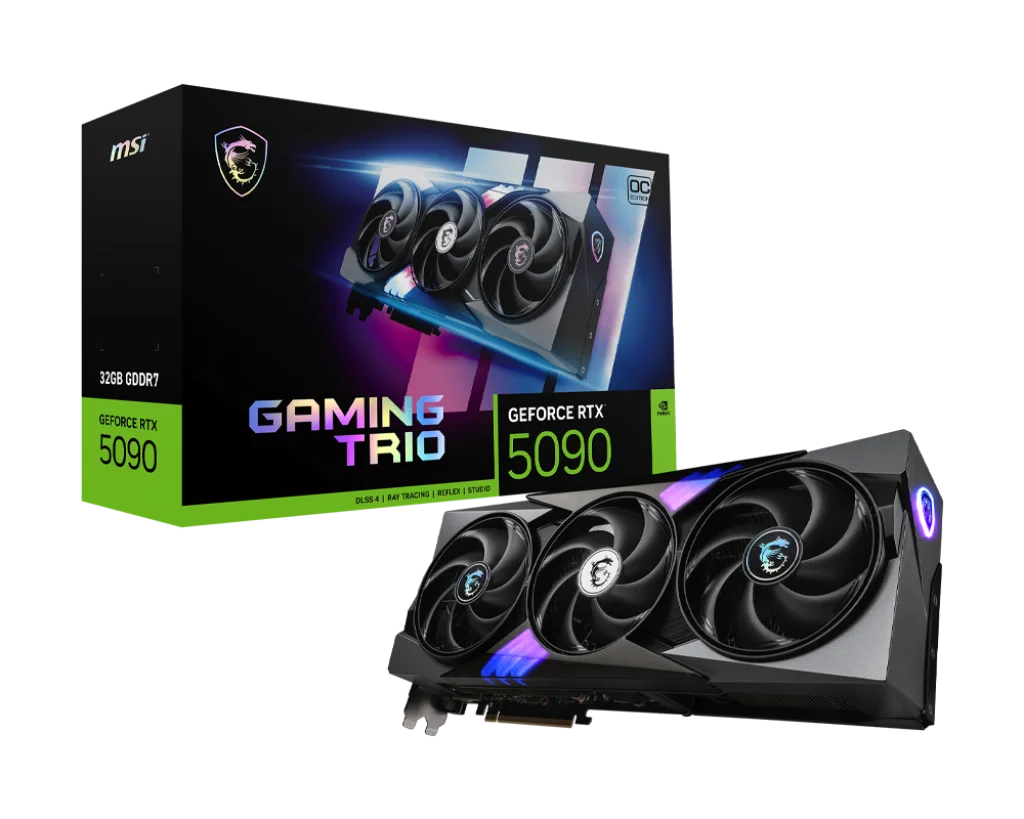
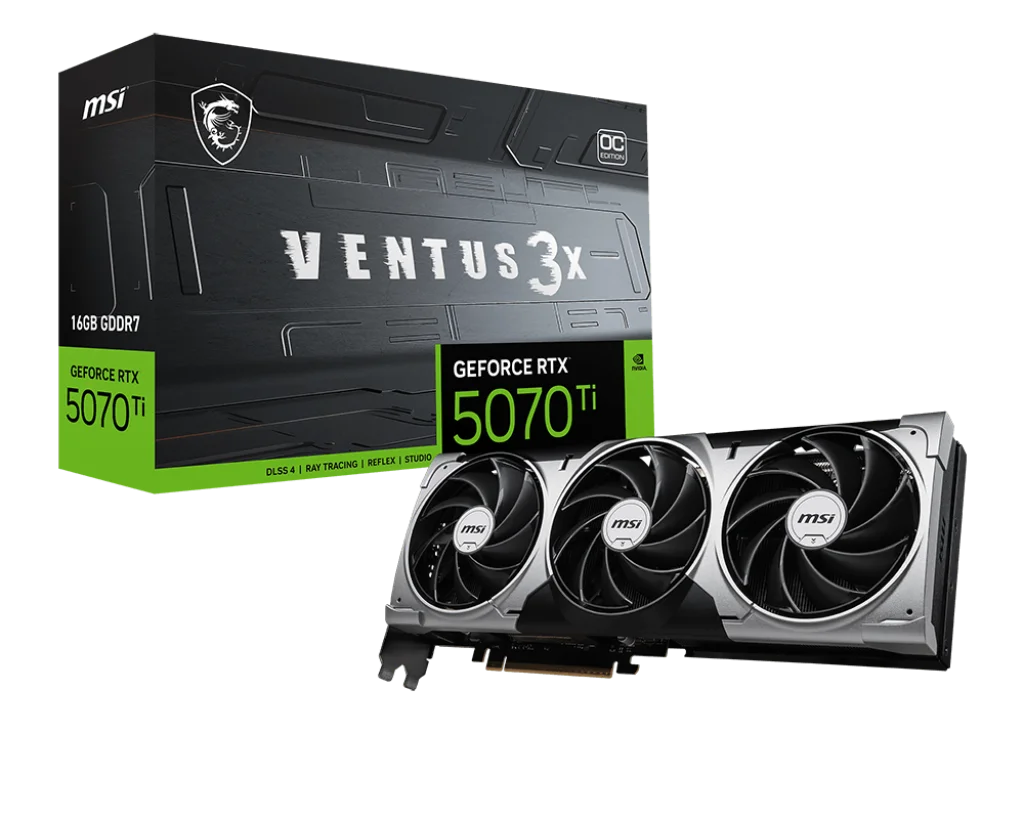

Ray tracing support in gaming PCs represents a fundamental shift in computer graphics, moving from traditional rasterization techniques to simulating the physical behavior of light for unprecedented visual realism. This computationally intensive process traces the path of light rays as they interact with virtual objects, accurately rendering effects like reflections, shadows, refractions, and global illumination that dynamically respond to scene changes. Modern implementations utilize dedicated hardware RT cores in NVIDIA's RTX series or AMD's ray accelerators in RDNA2/3 architectures, which perform these complex calculations with specialized efficiency far beyond general purpose shader cores. The computational demands necessitate a balanced system configuration where high core count CPUs prepare the ray tracing data structures, while powerful GPUs with sufficient VRAM handle the actual ray intersection tests and shading operations. Technologies like NVIDIA's DLSS or AMD's FSR have become essential companions to ray tracing, using AI upscaling or spatial upscaling respectively to reconstruct high resolution images from lower internal resolutions, thereby mitigating the significant performance impact of native ray tracing implementation. Our company's ray tracing ready configurations are carefully balanced with components that complement these demanding workflows, including fast system memory for quick asset streaming and robust cooling solutions to maintain performance during extended ray traced gaming sessions. We leverage our extensive component testing expertise to validate ray tracing performance across various game engines and applications. Through our global supply chain, we offer these specialized systems at competitive prices, while our technical support provides guidance on optimal ray tracing settings, upscaling configuration, and system optimization to help customers worldwide achieve the perfect balance between visual fidelity and performance in their gaming experiences.